2026 Top Trends in Fulldome Projection Technology?
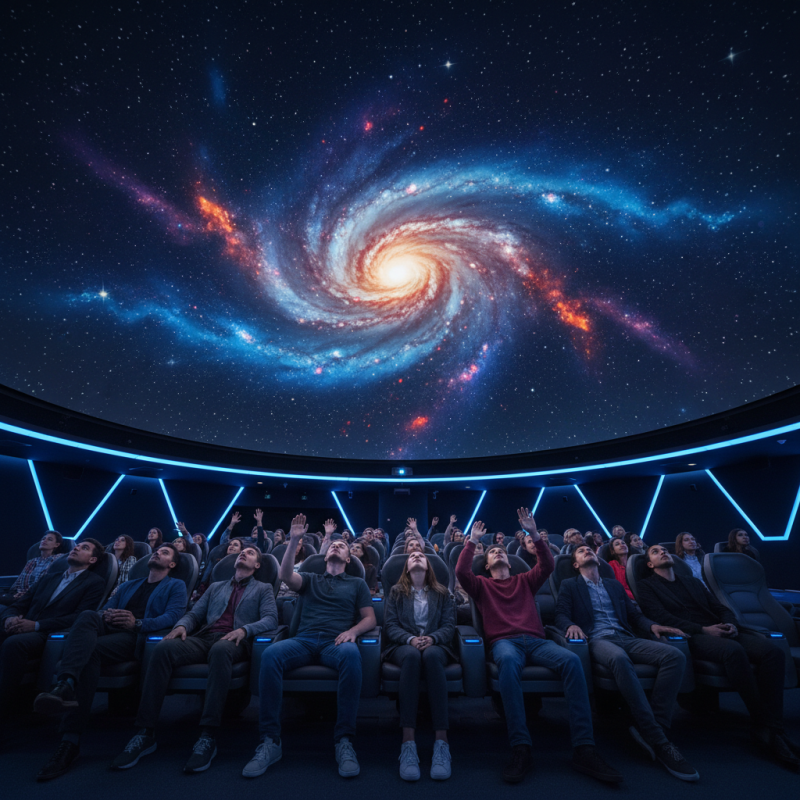
The rapid evolution of Fulldome Projection technology is shaping the future of visual experiences. As we look ahead to 2026, several trends are emerging. Fulldome Projection creates immersive environments that captivate audiences across various sectors, including education, entertainment, and simulations.
This technology enhances storytelling and engagement. Imagine a planetarium where viewers feel part of the universe. The seamless integration of 3D visuals and dynamic soundscapes allows for an unparalleled sensory experience. However, challenges exist. Not all venues can afford the high-quality equipment necessary for Fulldome Projection. This disparity raises questions about accessibility.
Moreover, the content creation for these projections requires specialized skills. Not every artist or educator can harness the full potential of this medium. As we embrace these trends, reflection is crucial. Are we ready to invest in this technology for broader applications? Fulldome Projection has the potential to transform experiences, but careful consideration of its challenges remains essential.
Future of Fulldome Projection: Key Technological Innovations for 2026
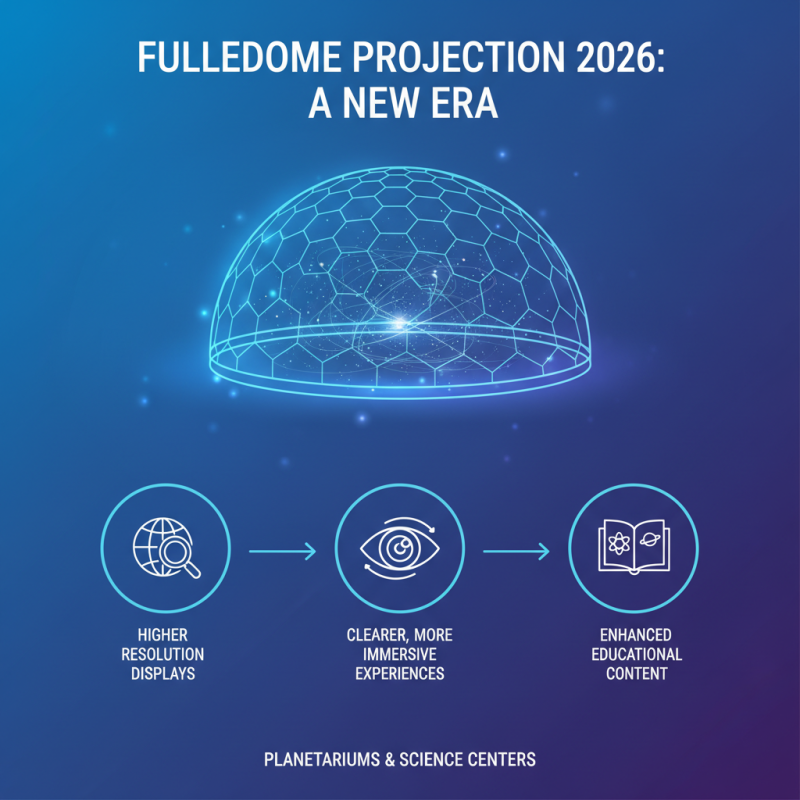
Fulldome projection technology is rapidly evolving. In 2026, we will see significant advancements. One key innovation includes higher resolution display systems. These systems will provide clearer and more immersive experiences. This improvement will enhance educational content in planetariums and science centers.
Moreover, the integration of AI will further transform the fulldome experience. AI-driven content creation tools can generate unique visuals in real-time. Visitors will engage with dynamic, adaptive environments. However, this raises questions about accuracy and authenticity. How will we ensure the integrity of presented information?
Another trend is the expansion of interactive elements. Users will interact with projections through touchless technology. This could lead to more personalized experiences. Still, it’s essential to consider user privacy and data security. As we embrace these technologies, we must reflect on their ethical implications.
Market Analysis: Projected Growth of Fulldome Technology by 15% by 2026
The projected growth of fulldome technology is intriguing. By 2026, experts anticipate a 15% increase in market size. This growth may transform various sectors, including education and entertainment. As schools adopt fulldome projection for immersive learning, it could enhance students' engagement with complex subjects. The visually rich experience resonates well with younger audiences.
Companies developing this technology face several challenges. The cost of high-quality equipment remains a barrier for some institutions. Additionally, the need for skilled personnel to operate and maintain such systems can complicate implementation. There are concerns about standardization and compatibility across different systems. Finding solutions to these issues is crucial for widespread adoption.
Despite the obstacles, the potential of fulldome projection is immense. Artists and content creators can use it to push the boundaries of storytelling. Interactive experiences can engage audiences like never before. However, continuous innovation is necessary to keep pace with user demands. The industry's evolution depends on addressing these growing pains. It will be interesting to see how this technology develops in the coming years.
Projected Growth of Fulldome Technology by 2026
This bar chart represents the projected growth of fulldome projection technology from 2022 to 2026, highlighting a steady increase in market demand over the years.
Emerging Trends: The Role of AI in Enhancing Fulldome Projection Experiences
The integration of artificial intelligence (AI) into fulldome projection technology is reshaping experiences in immersive environments. AI algorithms can analyze audience reactions in real time. This allows for tailored displays that actively engage viewers. Imagine an environment adapting to your emotions. If a viewer seems amazed, the visuals can become even more vibrant and captivating.
AI facilitates interactivity, allowing users to control visuals with simple gestures or voice commands. This technology ensures a more personalized experience. However, relying too much on AI can lead to a disconnect. It might overlook the organic, spontaneous reactions that humans have in shared spaces.
Additionally, creators face a challenge in maintaining the artistic essence. How much of the experience should be guided by machine learning? Striking a balance is crucial. The goal should be to enhance experiences, not replace the human touch. As we explore these trends, a blend of technology and human creativity is essential. The potential for innovative storytelling is immense, but it must remain grounded in real human connection.
2026 Top Trends in Fulldome Projection Technology
| Trend |
Description |
Impact Area |
Emerging Technology |
| AI-Driven Content Creation |
Utilizing AI to generate immersive narratives and visuals for fulldome experiences. |
Education, Entertainment |
Machine Learning |
| Enhanced Interactivity |
Increasing user engagement through interactive elements controlled by personal devices. |
Visitor Experience |
Mobile Technology |
| Real-Time Data Visualization |
Integrating live data feeds to create adaptable projection content. |
Science, Research |
Big Data |
| 3D Mapping Technologies |
Using advanced mapping techniques to create enhanced depth and realism in projections. |
Art, Entertainment |
3D Modeling Software |
| Virtual Reality Integration |
Combining VR with fulldome experiences to provide an all-encompassing immersive environment. |
Gaming, Training |
Virtual Reality Headsets |
Environmental Considerations: Sustainable Practices in Fulldome Technology Adoption
As the fulldome projection technology evolves, environmental considerations take center stage. Sustainable practices are becoming essential in the adoption of this technology. According to recent industry reports, about 70% of new projection systems are designed with energy efficiency in mind. This shift indicates a growing commitment to reducing carbon footprints.
Many facilities are now opting for LED lighting over traditional illumination. This change not only lowers energy consumption but also extends the lifespan of equipment. Research shows that LED lights can reduce energy use by up to 80%. However, not all venues implement these technologies effectively. There's still a learning curve regarding proper installation and maintenance.
Tips: Regular training for staff is crucial. Ensure they understand how to optimize energy use. Also, evaluate the source of your power. When possible, consider renewable energy options. These steps can significantly enhance your sustainability efforts.
Another major aspect is material sourcing. Using recycled materials for domes and projection surfaces is on the rise. Yet, some companies still rely on new materials due to cost implications. Balancing cost and sustainability can be tricky. Industry experts recommend conducting lifecycle assessments to truly gauge environmental impact.
User Engagement: Interactive Content's Impact on Audience Retention in 2026
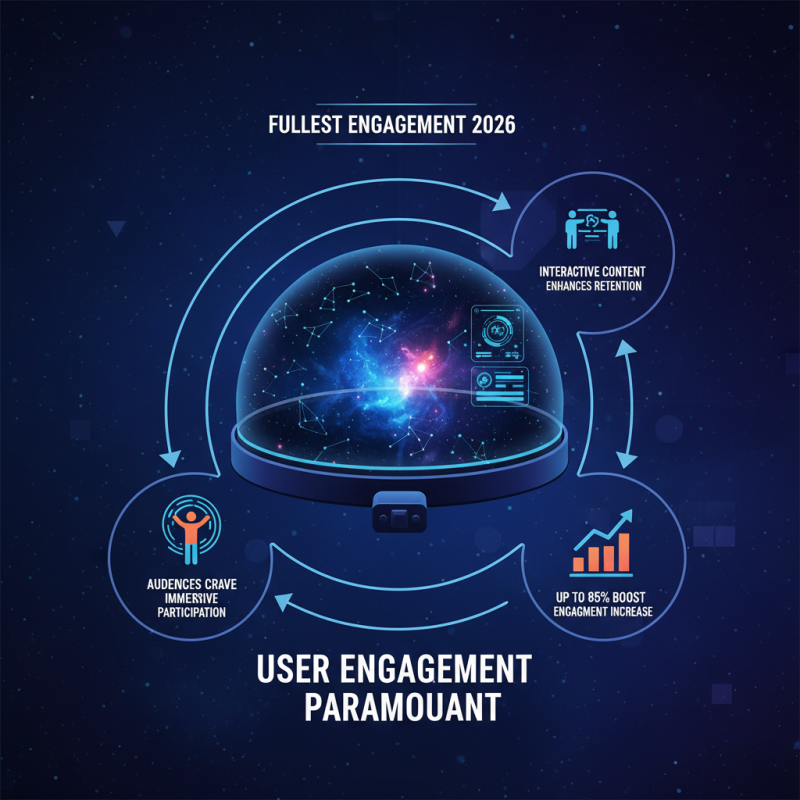
In 2026, user engagement will be paramount in fulldome projection technology. Interactive content enhances audience retention significantly. Studies suggest that interactive experiences boost engagement by up to 85%. This data highlights how audiences are drawn to immersive environments where they can participate and influence outcomes.
One effective strategy is to incorporate elements that allow audience interaction. Simple gestures, like touch or voice commands, can create a personalized experience. For example, allowing viewers to choose story paths or interact with visuals can deepen their connection to the content. However, not all attempts at interactivity succeed. It requires careful design to ensure that users feel truly engaged, not overwhelmed.
Tips: Focus on what your audience loves. Analyze feedback to refine interactive elements. A dated or confusing interface can frustrate users. Continuous testing and innovation are necessary. Consider incorporating live data to keep the content relevant and engaging. This approach might increase user retention and curiosity, making experiences memorable.