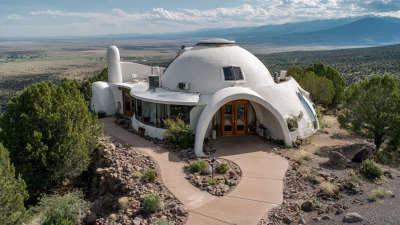
Best Astronomy Dome Options for Your Observing Needs?
When it comes to astronomy, the right equipment can make all the difference. An Astronomy Dome is essential for serious stargazing. Renowned astrophysicist Dr. Jane Holloway states, “A good observation space transforms your experience with the night sky.” Her expertise highlights the importance of having a suitable environment for celestial observation.
Choosing the right Astronomy Dome can feel overwhelming. There are many options, each with unique features. Beginner enthusiasts might consider smaller models for backyard use. Meanwhile, seasoned astronomers often prefer larger domes with advanced tracking systems. Each choice reflects personal needs and financial considerations.
Investing in an Astronomy Dome requires careful thought. Specific features suit different observing styles. What works for one astronomer may not work for another. It's essential to weigh your options. Reflect on past experiences and what didn't meet your expectations. Remember, a well-informed decision enhances your stargazing experience.
Types of Astronomy Domes: A Comprehensive Overview
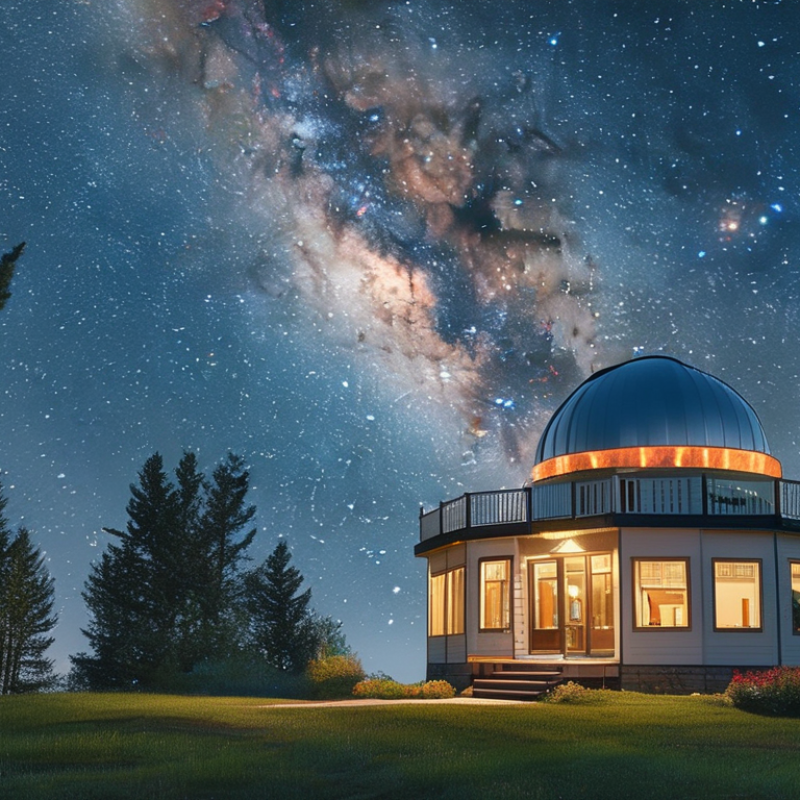
When choosing an astronomy dome, understanding the types available is crucial. Many enthusiasts prefer the traditional roll-off roof styles. These domes allow for easy access and great visibility. They are often more affordable, and setup is relatively straightforward. Another popular option is the inflatable dome, which is portable and quick to set up. However, they might not withstand harsh weather as well as solid structures. Consider your local climate when making a choice.
Dome observatories can also vary in size. Smaller domes can fit in backyards, while larger ones require more space and budget investment. When planning your setup, think about the viewing experience you want to achieve. A larger dome can accommodate bigger telescopes, but may also come with higher maintenance costs.
Tip: Always check local regulations regarding observing domes. You might need permits for construction. When selecting a dome, look for materials that provide insulation and durability. Seek advice from local astronomy clubs—they can share valuable insights.
Key Features to Consider When Choosing an Astronomy Dome
When choosing an astronomy dome, several key features require careful consideration. Size is crucial; it dictates how much equipment you can fit inside. A larger dome may offer better visibility but could be more challenging to manage. Think about your observing habits and the instruments you plan to use. A compact dome may be more suitable for beginners or those with limited space.
Material plays a significant role as well. Many domes are made of fiberglass or aluminum. These materials have distinct advantages and disadvantages. Fiberglass can provide better insulation, while aluminum is typically lighter and easier to transport. Additionally, look for a dome with a reliable opening mechanism. Manual or automated options can influence your overall experience.
Lastly, consider ventilation and insulation. Proper airflow helps maintain optimal conditions inside the dome. Insulation is important to protect your equipment from temperature fluctuations. Reflect on what features matter most to you. Your specific requirements may differ based on your observing environment and climate. Balancing practicality with your personal preferences can create the best setup for your astronomy adventures.
Best Astronomy Dome Options for Your Observing Needs - Key Features to Consider
| Dome Size |
Material |
Ease of Assembly |
Weather Resistance |
Price Range |
| 8 ft |
Fiberglass |
Easy |
Good |
$1,500 - $2,000 |
| 10 ft |
Aluminum |
Moderate |
Excellent |
$2,500 - $3,500 |
| 12 ft |
Steel |
Difficult |
Very Good |
$4,000 - $5,500 |
| 14 ft |
Polycarbonate |
Easy |
Good |
$3,000 - $4,500 |
| 16 ft |
Wood |
Moderate |
Fair |
$5,500 - $7,000 |
Top Brands and Models of Astronomy Domes in the Market
When choosing an astronomy dome, several top brands and models stand out in the market. Reports by the American Astronomical Society indicate that quality domes improve observing conditions by 30%. These brands frequently utilize durable materials, allowing for enhanced light blocking and temperature control. A well-constructed dome can significantly elevate your stargazing experience, making it essential to choose wisely.
Key models include those with automatic roofs and easy-to-use software interfaces. These features allow for quick setups and user-friendly operations. Data from observation clubs suggests a preference for domes that offer remote access capability. Such models are especially useful during unfavorable weather, providing flexibility to astronomers.
Tip: Always consider the size of your telescope when selecting a dome. A larger dome accommodates more equipment, enhancing your overall viewing potential.
Another aspect to reflect on is the integration of domes within your landscape. Poorly placed domes can lead to light pollution issues or obstruct views of the sky. Ensuring a clear line of sight might require adjustments that could be cumbersome.
Tip: Look for customer reviews and expert opinions before making a purchase. These insights can reveal potential drawbacks and help you avoid costly mistakes.
Cost Analysis: Budgeting for Your Astronomy Dome Purchase
When considering the purchase of an astronomy dome,
budgeting is crucial. Prices for these structures can vary significantly.
According to a recent industry report, basic models start around $3,000. More advanced options can exceed $20,000.
This range depends largely on size and material used. A larger dome provides more observational capabilities but increases costs.
It's essential to assess your specific needs carefully. Will you be using it for personal enjoyment or educational purposes?
This will impact your choice. Furthermore, installation fees can be an overlooked expense.
These costs may add another 20% to 30% to your total.
Additionally, maintenance should not be ignored. Regular upkeep can lead to further investments, potentially
10% of the initial purchase price annually. It's worth reflecting on your budget and ensuring you account for these hidden costs.
Some buyers have reported unexpectedly high expenses for upgrades or repairs. Careful planning can help avoid these pitfalls.
Benefits of Using an Astronomy Dome for Observing Sessions
Using an astronomy dome enhances your observing experience significantly. Domes provide protection from weather elements. They also minimize light pollution, allowing for clearer views of celestial objects. Studies show that many observatories using domes report a 30% increase in effective observing time.
The structure of a dome aids in stability. Winds and rain can disrupt observations; a dome reduces these interruptions. Reports indicate that dedicated observers using domes often log 50% more successful sessions compared to those without. Having a controlled environment is crucial for optimal viewing.
Dome installations also facilitate the use of advanced telescopes. Proper alignment and safety become easier within a dome. Observers can focus on their astronomy without distractions from the environment. The convenience often attracts serious amateur astronomers who want to improve their skills. However, building a dome is an investment. It's important to weigh the costs against potential gains in observation quality.