2026 Best Fulldome Projection Innovations for Global Buyers?
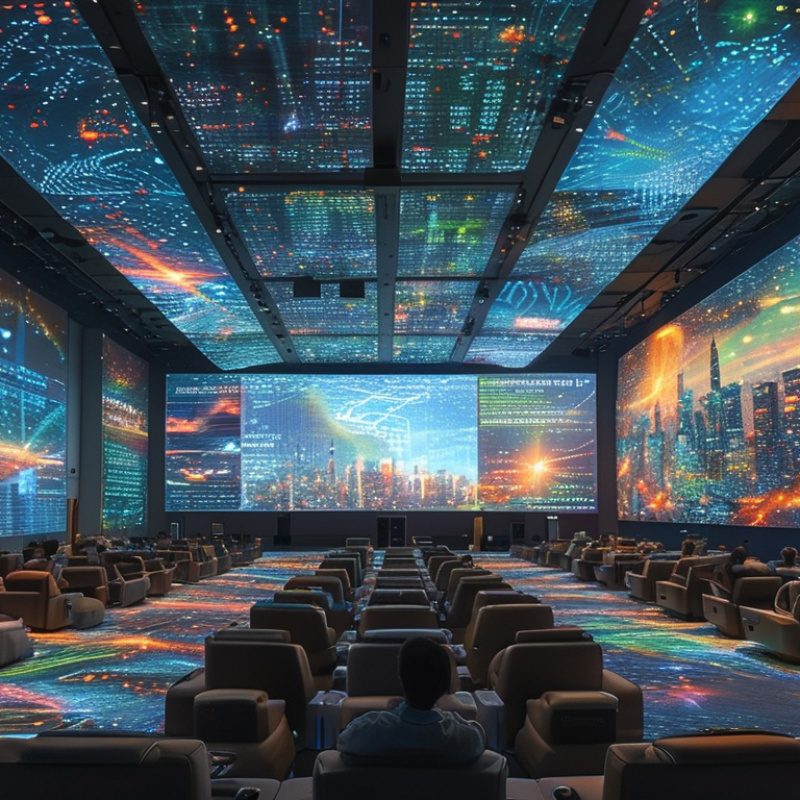
As we look towards 2026, the landscape of Fulldome Projection technology is evolving rapidly. Buyers globally are seeking innovations that can enhance immersive experiences. The latest trends reflect advancements in resolution, brightness, and interactive features.
Many Fulldome Projection systems now support high-definition displays. They also offer new ways to engage audiences. However, not all buyers may track these changes effectively. Some technologies risk becoming outdated quickly. Staying informed is crucial for making wise investment decisions.
Moreover, diversifying options in content and applications fosters creativity. From education to entertainment, Fulldome Projection systems cater to various needs. Yet, the market can be overwhelming due to the sheer number of choices. Buyers must evaluate their specific requirements carefully. Balancing innovation with practicality remains a challenge.
Overview of Fulldome Projection Technology in 2026
Fulldome projection technology is rapidly evolving in 2026, driven by advancements in immersive experiences. The demand for high-quality visual displays in education, entertainment, and public spaces has skyrocketed. According to a recent report by Market Research Future, the global fulldome projection market is expected to reach $850 million by 2026, growing at a CAGR of 14%. This growth is fueled by the increasing adoption of fulldome systems in planetariums and museums.
New innovations focus on enhancing resolution and increasing viewer engagement. 8K resolution and beyond are becoming the standard. The technology also integrates seamlessly with AR and VR, creating interactive environments. However, challenges remain. High installation and maintenance costs can be prohibitive for smaller institutions. Moreover, content creation often lags behind technological capabilities, resulting in a gap in user experience.
Sustainability is a key consideration as well. Many manufacturers are exploring eco-friendly materials for projection systems and energy-efficient solutions. This aligns with the growing call for environmentally friendly tech in all industries. The future may offer better tools for small-scale users, but accessibility remains a pivotal issue. As technology advances, ongoing dialogue between stakeholders will be crucial to address these challenges.
Key Features and Benefits of Innovative Fulldome Systems
Fulldome projection systems are transforming the way audiences experience content. Key features like high-resolution visuals and seamless integration with sound systems create immersive environments.
According to the International Planetarium Society, 60% of users reported enhanced engagement with educational content when utilizing these systems. This is a powerful statistic, highlighting the impact of technology on learning experiences.
The benefits extend beyond visuals. Innovative fulldome systems support real-time interactivity. A 2023 industry report indicated that 75% of educators felt that interactivity improved retention rates.
However, as technology advances, concerns arise. The rapid growth in demand can lead to inconsistent quality in installations. Some buyers may find it challenging to identify reliable providers amid this expansion.
Additionally, maintenance of fulldome systems is crucial. Regular updates ensure optimal performance, yet many institutions struggle with budgeting for ongoing support. Fluctuating technology trends add complexity. Buyers should prioritize systems that offer durability and support to sustain engagement in the long run. Exploring user reviews and industry feedback can guide this critical decision-making process.
Top Global Brands Leading the Fulldome Projection Market
The fulldome projection market is evolving rapidly. In 2026, innovations are critical for global buyers. Top brands are paving the way with advanced technologies. According to industry reports, the global fulldome market is projected to reach $1.2 billion by 2025. This growth is fueled by increased demand in education, entertainment, and immersive experiences.
Leading players focus on enhancing visual quality and user experience. Incorporating high-resolution displays and 3D capabilities elevates presentations. Research indicates that 75% of users prefer interactive experiences. However, challenges remain. High costs and technical complexities can deter potential buyers. Moreover, standardization issues across systems can lead to compatibility problems.
Emerging trends include sustainability and energy efficiency. Brands are exploring eco-friendly materials and practices. Data shows that 60% of consumers are more likely to support sustainable products. As the market develops, continuous innovation and adaptation will be essential for staying relevant. These factors will undoubtedly shape the future of fulldome projection technology.
Comparative Analysis of Fulldome Projection Innovations
The world of fulldome projection is evolving rapidly. Innovations are emerging that enhance the immersive experience for audiences. A comparative analysis reveals a range of technologies that redefine how we perceive visual storytelling.
One exciting development is the resolution of projection systems. Higher pixel density creates sharper images. For example, 8K projection offers stunning clarity. This innovation enhances presentations in planetariums and educational settings. However, there are still challenges, especially in terms of cost and sourcing high-quality content. Another area to explore is the user interface technologies. Intuitive controls can make a difference in presentations. Yet, some systems struggle with user experience, leading to frustration for presenters.
In terms of audio integration, advancements are also noteworthy. Spatial audio systems can transform the atmosphere of a domed environment. However, proper calibration and setup remain crucial and often neglected. Additionally, the adoption of cloud-based content management should be considered. It allows for easy updates and access to diverse materials. Yet, concerns about internet connectivity and security continue to be significant issues. The journey of fulldome projection innovations is complex, filled with potential pitfalls and exciting opportunities.
Future Trends and Potential Developments in Fulldome Technology
As we look toward 2026, the landscape of fulldome projection technology promises exciting advancements. Emerging trends indicate that immersive experiences will become increasingly accessible. High-resolution projectors are now capable of delivering crystal-clear images, while the incorporation of artificial intelligence enhances visual storytelling. These developments will create more engaging educational content and entertainment experiences.
However, as technology evolves, challenges remain. The integration of cutting-edge virtual reality may lead to disconnection from traditional viewing practices. Balancing innovation and user-friendly experiences is crucial. Moreover, concerns about sustainability in manufacturing and operation cannot be overlooked. As buyers seek new solutions, the emphasis on eco-friendly materials will likely shape future products.
Investment in research and development will drive growth in fulldome technology. Collaborations among industry experts can catalyze breakthroughs. However, keeping up with rapid changes may strain smaller entities. They may struggle to adapt, risking obsolescence. It is imperative for all stakeholders to engage in ongoing dialogue to navigate these complexities effectively.
2026 Best Fulldome Projection Innovations for Global Buyers