How to Build a Telescope Dome Structure for Optimal Viewing
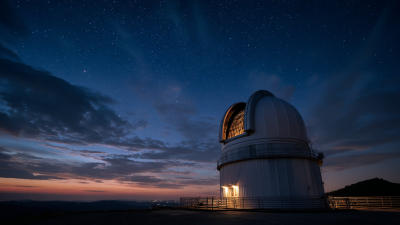
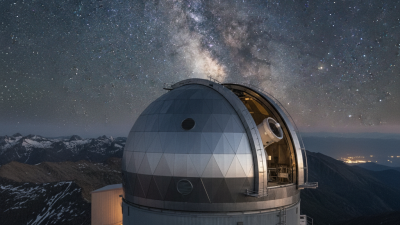
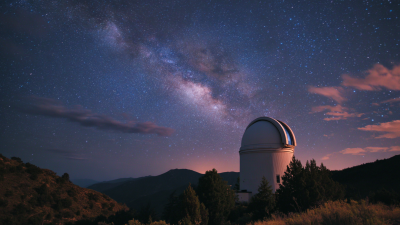
Creating a Telescope Dome Structure can significantly enhance your stargazing experience. The right design offers optimal viewing conditions. A well-constructed dome protects your telescope from the elements, such as wind and rain. It also minimizes light pollution, allowing for clearer and more vibrant astronomical observations.
Building this structure, however, is not without its challenges. Factors like location, material choice, and dome size matter. You should carefully consider where to place your dome. Ideally, it should be away from city lights and nearby trees. Additionally, different materials will affect durability and insulation. It’s crucial to find the balance between cost and quality.
A successful Telescope Dome Structure requires both planning and expertise. Working with experienced builders can provide valuable insights. This minimizes mistakes during construction. However, some may overlook the learning curve involved in the project. You may face unexpected issues, like ventilation and structural integrity. Embracing these challenges will lead to a more rewarding outcome.
Understanding the Importance of a Telescope Dome for Astronomy
Telescope domes are essential for serious astronomy. They protect viewing equipment from weather conditions. A well-designed dome can enhance your observing experience. Surveys indicate that many amateur astronomers find better results when using dome structures. Wind and precipitation can damage telescopes. A dome helps maintain optimal conditions for stargazing.
The National Optics and Photonics Alliance reports that environments free from light pollution improve the clarity of celestial observations. A dome shields telescopes from streetlights and city glare. This protection allows for more precise and enjoyable experiences for users. Observational studies have shown that light-shielded areas can enhance visibility by up to 70%.
Yet, building a dome presents challenges. The design must accommodate varying telescope sizes and changing weather. Many stargazers report difficulties with dome rotation. If not properly aligned, they hinder optimal viewing angles. A well-constructed dome should consider these factors to ensure reliability. Each design should allow easy access while minimizing air turbulence. Balancing these elements is key to creating an ideal astronomy haven.
How to Build a Telescope Dome Structure for Optimal Viewing
| Dimension |
Description |
Importance |
| Diameter |
The width of the dome, typically varies from 8 to 20 feet. |
Affects the size of the telescope that can be accommodated. |
| Height |
The vertical space inside the dome, usually 8 to 10 feet. |
Necessary for comfortable maneuvering around the telescope. |
| Material |
Common materials include fiberglass, aluminum, or wood. |
Durability and insulation properties influence thermal stability. |
| Opening Mechanism |
Types include sliding, rotating, or domed skylights. |
Direct impact on usability and ease of access to the sky. |
| Ventilation |
Incorporation of vents or fans within the structure. |
Helps to maintain temperature stability for precise observations. |
| Location |
Choosing a site with low light pollution and clear skies. |
Increases visibility and enhances the quality of astronomical observations. |
Choosing the Right Location for Your Telescope Dome Structure
Choosing the right location for your telescope dome structure is crucial for optimal viewing. A site with minimal light pollution will enhance your stargazing experience. Urban areas typically have more artificial lights, which can hinder visibility. Rural locations, away from city lights, often provide clearer skies.
Consider the elevation of your chosen site. Higher altitudes frequently offer thinner atmosphere. This can reduce air turbulence and improve clarity. Avoid areas prone to high humidity or frequent fog, as these conditions obstruct view. Nearby trees or structures can obstruct your line of sight.
Wind patterns also play a role. A location shielded from strong winds can give steadier observations. Evaluate local weather conditions for different seasons. Forecasts can be unpredictable, and what seems ideal might change over time. Each site comes with its pros and cons. Reflect on what factors matter most to you and your observing goals. Finding the perfect spot may require some trial and error, but it will significantly enhance your astronomical experiences.
Essential Materials and Tools Needed for Construction
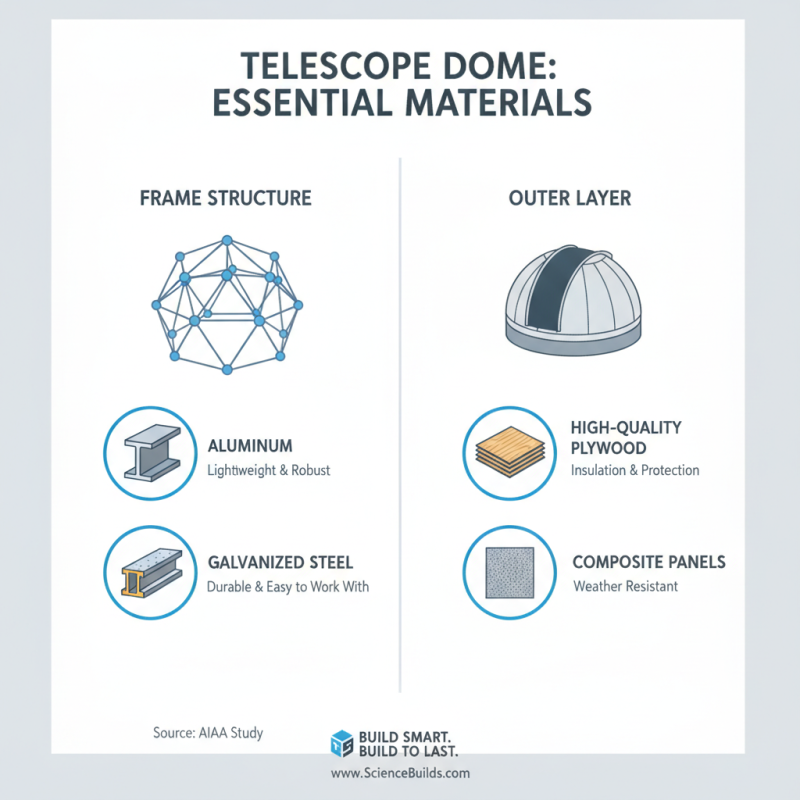
When building a telescope dome structure, selecting the right materials is crucial. For the dome's frame, lightweight yet robust materials like aluminum or galvanized steel are recommended. According to a study by the American Institute of Aeronautics and Astronautics, these materials provide excellent durability while remaining easy to work with. High-quality plywood or composite panels are ideal for the dome's outer layer, providing insulation and protection against weather elements.
Tools play a significant role in achieving an effective build. A power drill, circular saw, and measuring tape are essential for precision and efficiency. Utilizing a level or laser measure ensures accurate alignment. Industry reports indicate that 80% of construction projects benefit from using professional-grade tools. Choosing the right tools can significantly impact the overall quality of your telescope dome.
Ventilation is another important consideration. Proper airflow prevents heat accumulation inside the dome. This can be achieved with adjustable vents. Many builders overlook this aspect, which can lead to foggy lenses during observation. Reflecting on these choices is vital for both functionality and long-term satisfaction. Make informed decisions about materials and tools to ensure your dome serves its purpose effectively.
Step-by-Step Construction Process for a Telescope Dome
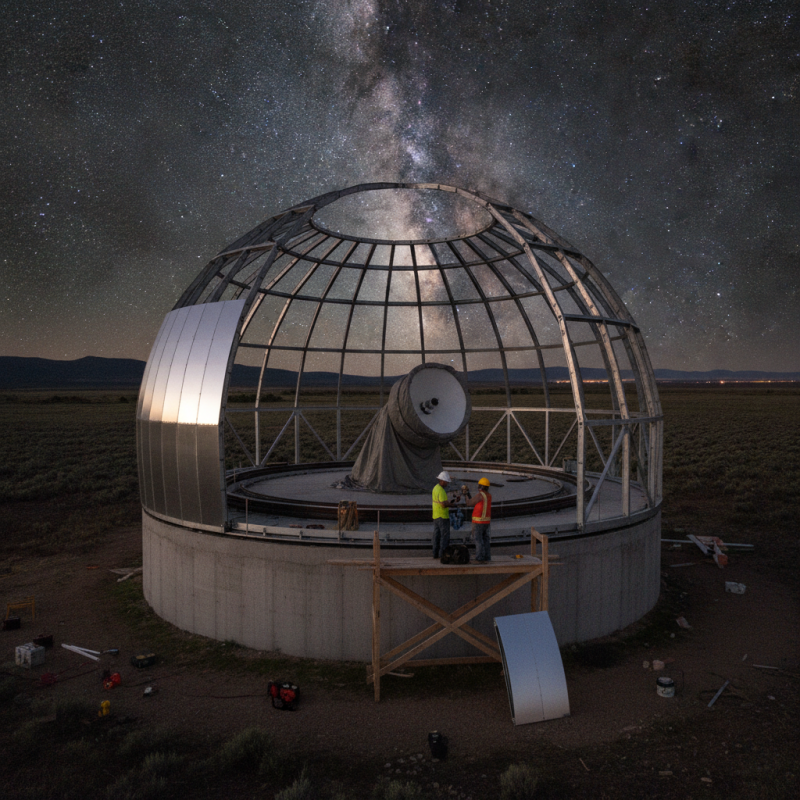
Building a telescope dome can enhance your stargazing experience significantly. The process begins with selecting an appropriate location. Choose a site away from city lights. This enhances visibility and reduces light pollution. The foundation is crucial. It should be level and stable. Consider using concrete for durability.
Next, focus on the structure's design. A dome shape minimizes wind resistance. Use light materials for easy handling. However, ensure they are sturdy enough to withstand weather changes. Creating a circular frame can be challenging. Precision is key. A well-crafted frame ensures a smooth rotation for your telescope.
During the construction phase, observe your progress closely. Each step requires careful attention. You might encounter issues with alignment. It’s essential to adjust as you go. Do not rush this part. Testing the dome’s fit with your telescope is vital. The final design should allow easy access to the sky. Embrace the trial and error process. It's part of creating the perfect viewing space.
Telescope Dome Construction: Material Cost Analysis
Tips for Optimizing Dome Design for Enhanced Viewing Experience
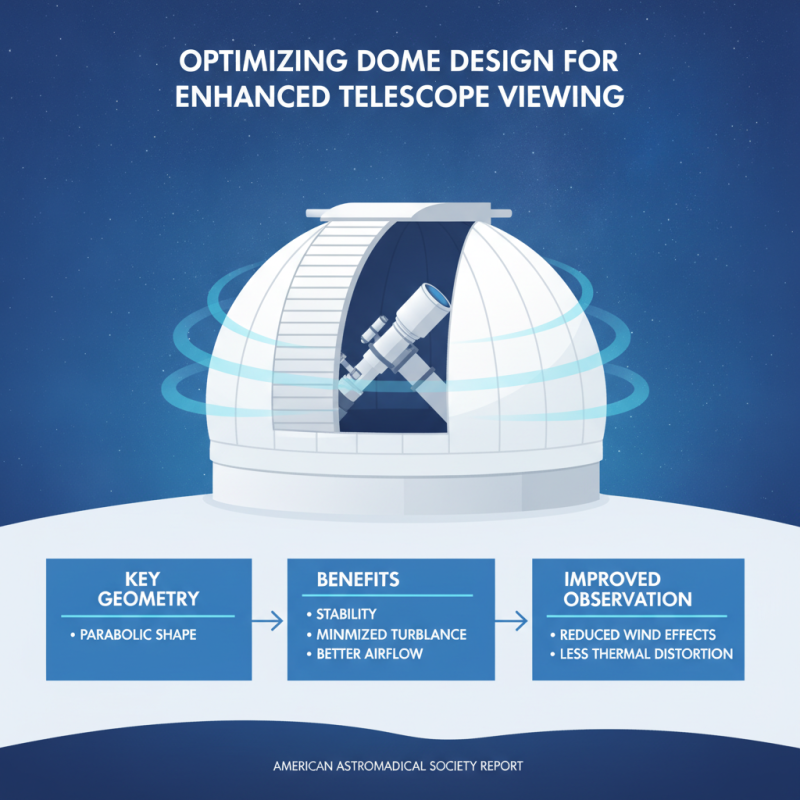
When designing a telescope dome structure, it's critical to focus on the dome's geometry. The optimal dome shape often enhances stability and minimizes turbulence. A report from the American Astronomical Society states that domes with a parabolic shape can significantly reduce wind effects, creating a more stable environment for observations. This shape allows for better airflow and minimizes thermal distortion, which is crucial for clear viewing.
Another key aspect is the material choice. The dome should consist of lightweight, durable materials with appropriate insulation. A study by the Institute of Engineering and Technology indicates that materials with a high thermal resistance can keep the interior temperature stable, reducing condensation. Less condensation leads to sharper images and a better viewing experience.
Ventilation is often overlooked. Proper airflow prevents overheating and maintains optical stability. However, finding the right balance is tricky. Too much ventilation can introduce noise and disrupt the viewing experience. Regular assessments will help ensure the design meets desired standards. Experimenting with different configurations can lead to insights that enhance both usability and comfort within the dome.