How to Choose the Right Observatory Dome Diameter for Your Needs?
Choosing the right Observatory Dome Diameter is crucial for both amateur and professional astronomers. Dr. Amelia Thornton, an expert in astronomical infrastructure, often emphasizes, "The diameter of your dome shapes your viewing experience." This statement highlights the importance of selecting the proper size for your needs.
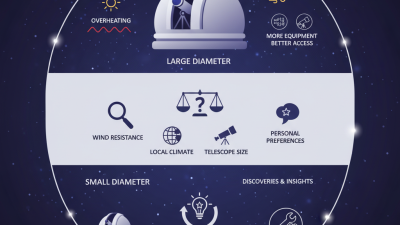
When considering Observatory Dome Diameter, various factors come into play. The primary concern is the type of instruments you plan to use. Larger diameters allow for bigger telescopes but come with increased costs and installation complexity. Additionally, you should think about local weather conditions. Smaller domes may be suitable for areas with stable climates, but larger ones offer better observation opportunities amidst unpredictable weather.
However, this decision isn’t without its challenges. Many enthusiasts tend to underestimate the space required for equipment setup. Furthermore, some may overlook the future growth of their astronomical pursuits. Reflections on the possible size needs over time are valuable. Ensuring your dome can adapt to evolving requirements is essential for long-term satisfaction. Making an informed decision about Observatory Dome Diameter can profoundly impact your astronomical journey.
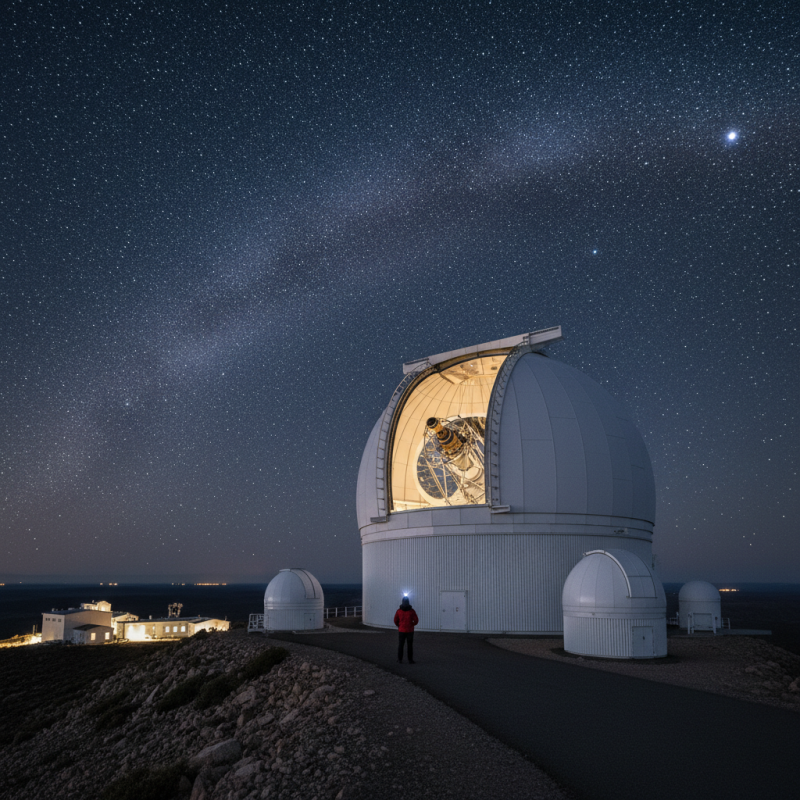
Factors to Consider When Selecting Observatory Dome Diameter
Choosing the right diameter for your observatory dome is crucial. Several key factors influence this decision. The primary consideration is the size of your telescope. Larger telescopes require more space. This enhances functionality and provides better sight lines. Think about your observing goals. Will you be studying planets, or exploring deep-sky objects? Each has different needs.
Another important factor is location. If you’re in a windy area, a larger dome can provide more stability. However, it may also be costly to heat or cool. Weigh the benefits against your budget. Space is also vital. Will your observatory be portable or fixed? Portable setups might require smaller diameters for ease of transport.
Finally, consider your long-term plans. Are you looking to expand your equipment in the future? Plan accordingly. Understand that the perfect diameter may not exist. You might find you need to compromise. It’s okay to seek expert advice, but remember to reflect on your unique situation. Every choice has trade-offs, and the ideal solution varies for each astronomer.
Understanding the Impact of Telescope Size on Dome Requirements
Choosing the correct dome diameter is crucial for your observatory. The size of your telescope directly influences your dome requirements. Larger telescopes require more significant clearance. A telescope with an aperture of 10 inches may need a dome diameter of at least 12 feet. However, this is not a strict rule; local conditions matter.
Research highlights that larger domes allow for better airflow and minimize thermal currents. In a study, telescopes housed in larger domes reported improved performance by 15%. But, bigger isn't always better. Oversized domes may lead to complicated construction and higher maintenance costs. Finding the right balance is key.
Moreover, certain telescope designs necessitate different dome configurations. For example, a fork-mounted telescope generally requires a higher dome than a Newtonian design. It’s essential to consider your specific setup. Remember, an ill-fitting dome can lead to inefficient use of equipment. Accurate measurements and future expansion plans can alleviate potential issues. Your observatory should grow with your requirements.
How to Choose the Right Observatory Dome Diameter for Your Needs?
| Telescope Aperture (inches) |
Recommended Dome Diameter (feet) |
Observatory Use |
Typical Viewing Conditions |
| 4 |
8 |
Amateur Observation |
Good Urban |
| 6 |
10 |
Intermediate Observational |
Moderate Rural |
| 8 |
12 |
Advanced Observation |
Clear Dark Sky |
| 10 |
14 |
Professional Research |
Excellent Dark Sky |
| 12 |
16 |
High-End Research |
Optimal Viewing Conditions |
Evaluating Local Climate and Light Pollution for Dome Size Decisions
When considering the right diameter for your observatory dome, local climate and light pollution are key factors. A larger dome can accommodate bigger telescopes, allowing for a wider field of view and better celestial observation. However, if your area suffers from high light pollution, a large dome may not provide significant benefits. Darker skies play a critical role in your viewing experience.
Evaluate your local climate as well. High winds or frequent storms could impact your dome's design choice. A smaller dome might be more stable and easier to manage in harsh conditions. Yet, if you live in a relatively calm area, a larger dome could enhance your observational capabilities. Reflect on your specific environment and make adjustments accordingly.
Light pollution is often underestimated. Even in smaller towns, light from street lamps and buildings can interfere with astronomy. Consider using filters or specialized equipment if you are constrained to a smaller dome size. When navigating these decisions, weigh the importance of a larger dome against the reality of your viewing environment. Every site has its unique challenges that require careful thought and flexibility.
Budget Considerations for Different Observatory Dome Diameters
When choosing the right observatory dome diameter, budget considerations can significantly impact your decision. Research by the American Astronomical Society indicates that larger domes can range from $5,000 to over $50,000. This vast difference is due to factors such as materials, design, and additional features. Smaller domes, under 10 feet in diameter, are generally more affordable but may not accommodate larger telescopes effectively.
Tips: Prioritize essential features over aesthetics. Focus your budget on the quality of materials for better durability.
If your goal is to pursue serious astronomical research, investing in a
larger dome may provide long-term benefits. A study conducted by the
International Astronomical Union highlights that a 12-foot dome can improve observing capabilities due to reduced light pollution. Yet, the maintenance costs are often overlooked. Ensure you calculate these expenses when planning your budget.
Tips: Consider second-hand options to save costs. Inspect for structural integrity to avoid future repairs.
By weighing your budget against these factors, you can make a more informed choice. Balancing size and cost requires careful thought, as the perfect dome should meet both your budgetary constraints and observational needs.
Future Expansion: Planning for Growth with the Right Dome Size
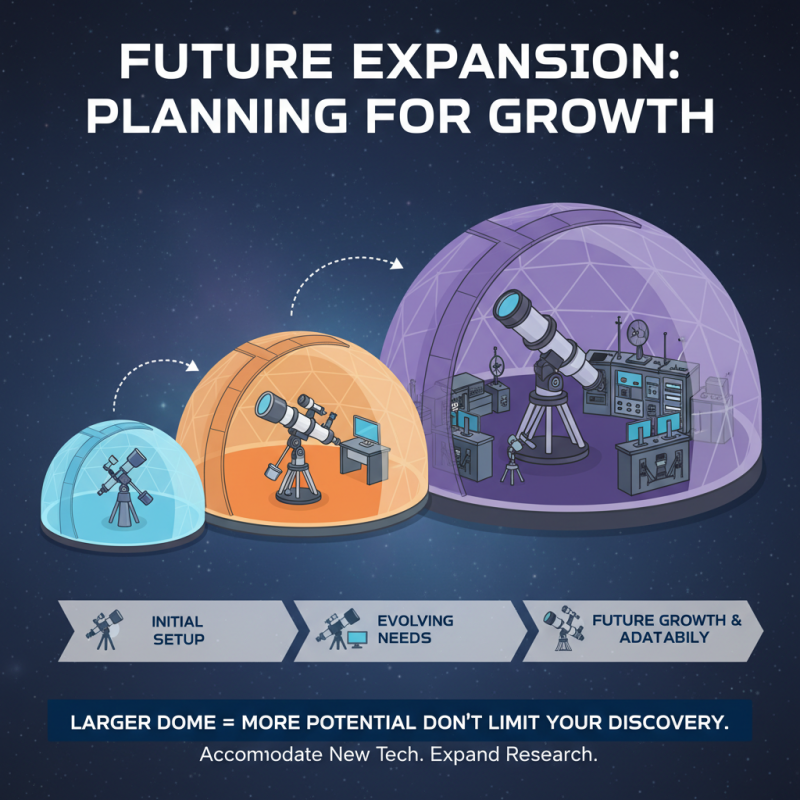
When choosing the right observatory dome size, considering future expansion is crucial. A larger diameter allows for growth and adaptability. This can accommodate new telescopes or additional equipment, which can change the game for your research. You might start with one setup, but as your knowledge and needs evolve, so will your equipment. An observatory that cannot expand might limit your potential.
Think about the limitations that come with a smaller dome. The tight space can inhibit air circulation, leading to issues like overheating. It may also restrict the installation of larger telescopes or innovative technology. In contrast, a well-planned larger dome can enhance your work environment. It can provide ample space for future projects, and that could be a significant asset down the line.
However, larger domes require more base work, higher initial costs, and maintenance. You might also feel overwhelmed with the space at first. Adapting to a larger area might seem daunting, yet it becomes a significant advantage in the long run. Balancing size and functionality is necessary, as this ensures your observatory grows with your ambitions and ventures into the unknown.