How to Choose the Best Digital Dome Planetarium for 2026?
Choosing the best Digital Dome Planetarium for 2026 involves understanding market trends and technological advancements. Recent industry reports indicate that the digital planetarium market is expected to grow significantly, with a compound annual growth rate (CAGR) of 10% by 2026. This growth is driven by increased demand for immersive educational experiences in schools and museums.
Digital Dome Planetariums are not just about projection technologies; they also enhance interactive learning. Reports suggest that institutions adopting these systems saw up to a 40% increase in visitor engagement. However, users should be aware of the diverse options available. Not all models offer the same quality of visuals or interactivity.
It's vital to evaluate factors such as resolution, software compatibility, and support services. Some systems may look appealing but could lack essential features. Addressing these shortcomings in product choices can lead to regrets after purchase. Therefore, a thorough assessment of the available options is crucial.
Key Features to Consider in a Digital Dome Planetarium
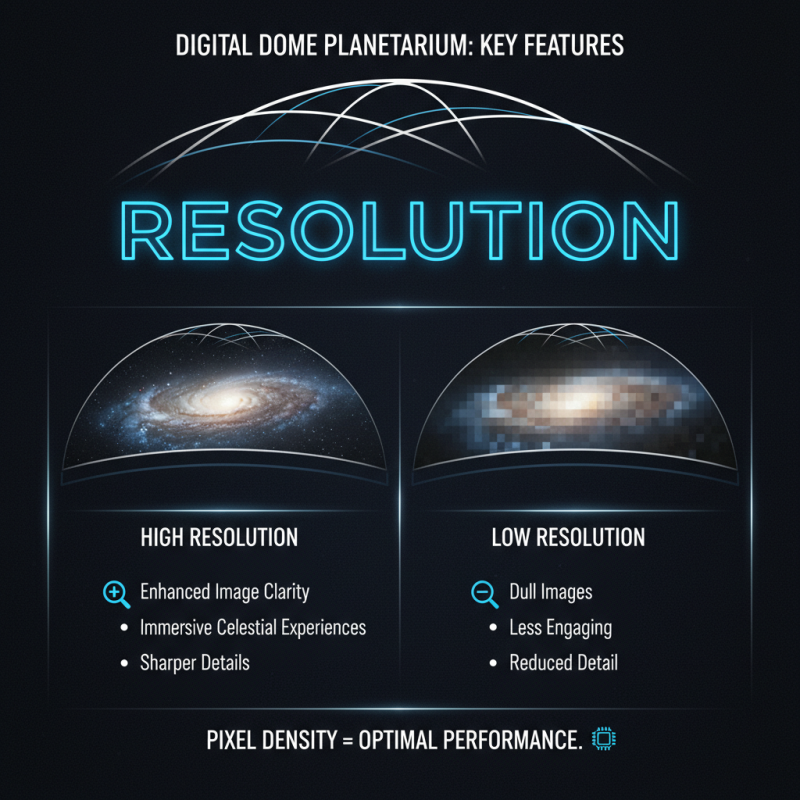
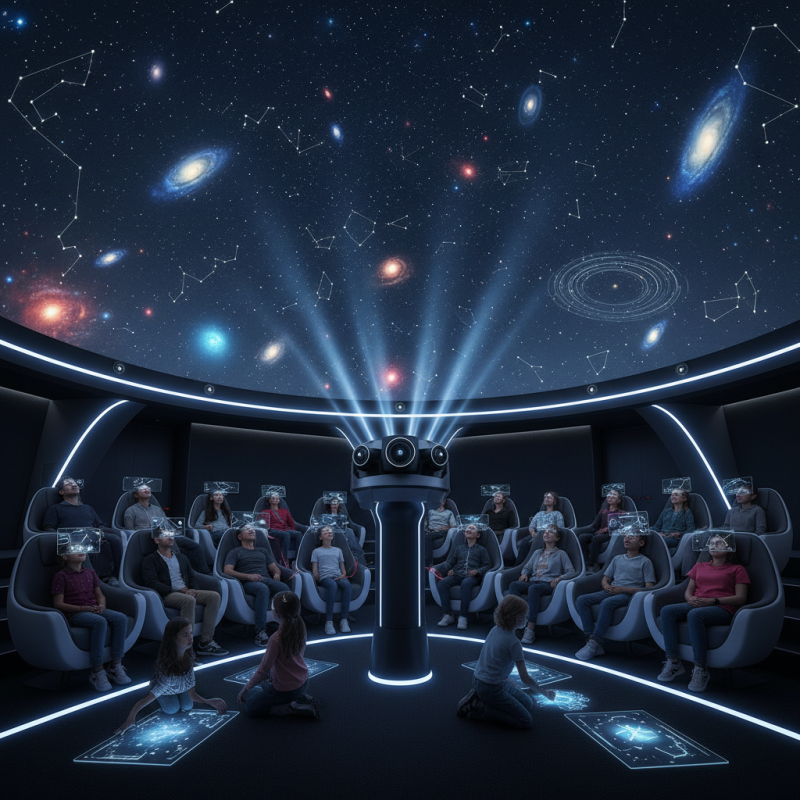
When choosing a digital dome planetarium, consider several key features. First, resolution matters. High-resolution projections enhance image clarity. Visitors enjoy vibrant visuals, allowing them to immerse in celestial experiences. Check the pixel density for optimal performance. A system with higher pixels provides sharper details. Dull images can detract from the experience.
Next, look at the software capabilities. Interactive software engages audiences more effectively. It should allow for seamless integration of new content. Customization options are also essential. They help tailor experiences to different age groups. However, software updates can sometimes be inconsistent. This may affect reliability, so it's vital to research user experiences.
Acoustics cannot be overlooked. Quality sound systems enrich the planetarium experience. Poor audio can lead to a lack of engagement. Test sound quality before making any decisions. Consider the dome size, too; it affects audience engagement. A well-designed space fosters connection. Balancing these features is crucial, as no single option will be perfect. Reflect on the needs of your audience and your own capabilities before finalizing your choice.
Evaluating Compatibility with Existing Equipment and Software
Choosing a digital dome planetarium requires careful consideration of compatibility with existing equipment and software. In 2026, seamless integration will be key to maximizing the user experience. According to a recent report by the International Planetarium Society, nearly 70% of planetariums reported difficulties in syncing new software with older systems. This statistic underscores the importance of ensuring compatibility before making any purchase decisions.
Various types of digital dome systems exist, but not all work well together. It's vital to assess the current hardware, including projectors and audio systems. For example, low-resolution projectors may struggle to deliver immersive content, leading to a compromised experience. Research suggests that optimizing visuals requires at least a 4K resolution. Additionally, many software platforms have different file types, which can create barriers. Failing to address these issues may result in wasted investments.
Evaluating the software is equally important. Compatibility with educational programs and immersive content should be a priority. Some institutions have reported having to overhaul entire systems due to incompatibility, costing upward of $100,000. Consider trial versions of software before committing to avoid unforeseen challenges. Overall, staying informed about industry trends can guide your decision on a digital dome planetarium that meets future needs.
Assessing Content Library and Customization Options
When selecting a digital dome planetarium for 2026, the assessment of the content library is crucial. A rich and diverse content library can greatly enhance educational experiences. According to the latest industry reports, institutions with access to over 300 unique programs saw a 30% increase in visitor engagement. Content should cater to various age groups and interests. Programs on astronomy, space exploration, and cultural narratives can attract a wider audience.
Customization options are equally important in tailoring experiences. Features that enable users to modify shows or create their own content allow flexibility. A survey indicated that 70% of planetarium users favor systems that offer customization, showing a clear demand for personal engagement. Such options should be user-friendly, allowing educators to adapt presentations to meet specific curriculum needs easily.
Despite advances in technology, challenges remain. Limited resources can hinder the acquisition of high-quality content. Additionally, some customization tools can be overly complicated, frustrating users rather than empowering them. Balancing these elements is key in making an informed purchase.
How to Choose the Best Digital Dome Planetarium for 2026? - Assessing Content Library and Customization Options
| Feature |
Option A |
Option B |
Option C |
| Content Library Size |
500+ shows |
300+ shows |
400+ shows |
| Customization Options |
Full custom program |
Limited customization |
Interactive features |
| Resolution |
4K |
2K |
4K |
| User Interface |
Intuitive and user-friendly |
Basic navigation |
Advanced features |
| Support & Training |
24/7 support |
Standard training session |
On-site training available |
Budget Considerations for Purchasing a Digital Dome Planetarium
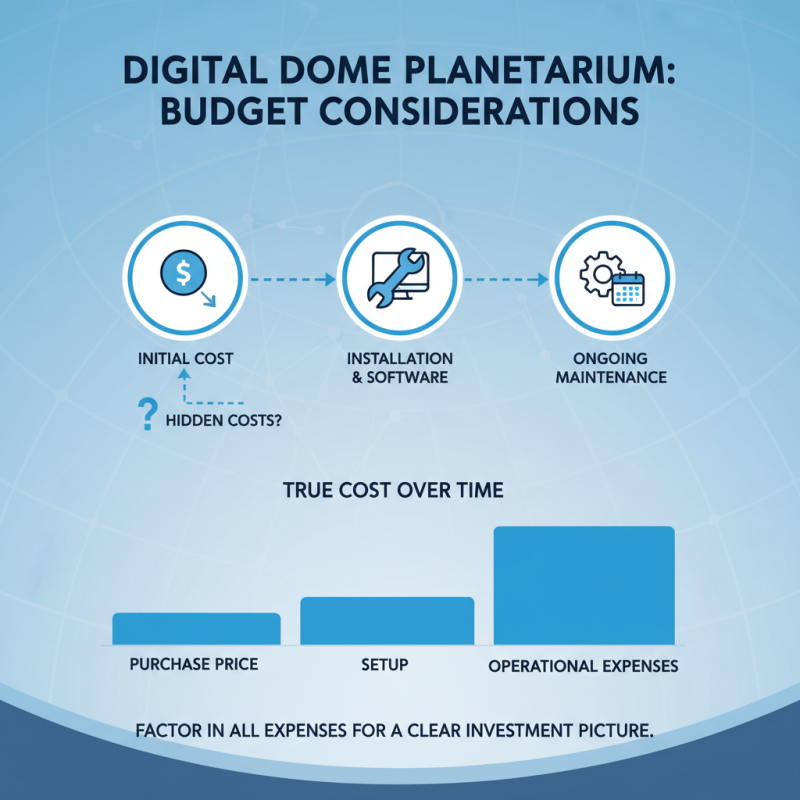
When considering the purchase of a digital dome planetarium, budget plays a crucial role. The initial cost can vary widely. Some models appear affordable at first glance. However, hidden costs can emerge. Installation, software, and maintenance can add up quickly. It's essential to factor in these ongoing expenses to gain a clear understanding of the overall investment.
Evaluate your needs judiciously. A basic system may meet educational goals for smaller institutions. For larger facilities, a more advanced setup may be necessary. Researching different configurations can help you identify what suits your budget best. Often, options like renting or buying used equipment can be beneficial. Yet, be cautious: these might come with their own hidden challenges.
Creating a financial plan is vital. Set aside funds for future upgrades and repairs. Unexpected costs often arise, especially with technology that evolves rapidly. Consulting with experts can provide insights into what you might overlook. Balancing initial costs with long-term value leads to better choices. Always keep in mind that the best decision is informed, not impulsive.
Understanding Installation and Maintenance Requirements
When selecting a digital dome planetarium, consider the installation and maintenance requirements carefully. A good planetarium installation should not disrupt existing space. Look for solutions that fit your venue size and layout. You may need to adjust seating arrangements or lighting systems. With the right planning, the setup can enhance the viewing experience.
Tips for Installation: Prepare the space early. Measure the area accurately. Ensure electrical connections are safe and comply with standards. This will save you time later. Don't forget about the cooling systems; proper ventilation is crucial for long-term use.
Maintenance is just as vital. Regular cleaning of the dome surface can improve image quality. Check software updates routinely to keep the system running smoothly. Document any issues you encounter. It will help when troubleshooting or upgrading components down the line.
You should reflect on your capacity for ongoing maintenance. A complex system may require more expertise than anticipated. Ensure your team is well-trained or consider professional support to maintain functionality.
Digital Dome Planetarium Installation and Maintenance Requirements (2026)