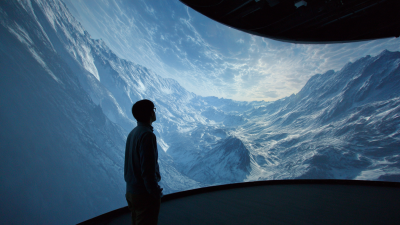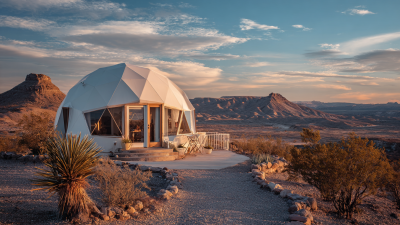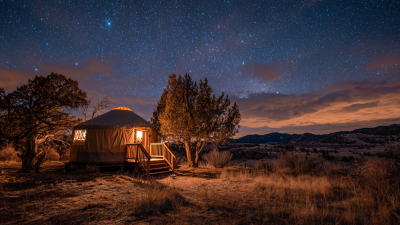
In the world of architecture, the "Observatory Dome House" stands out with its unique design. Renowned architect Dr. Emily Stone, known for her innovative structures, states, "The dome shape embraces harmony with nature, creating a peaceful retreat for stargazers." This quote perfectly encapsulates the essence of such homes, blending aesthetic beauty with functionality.
Designing your observatory dome house requires careful thought. The choice of materials impacts everything from insulation to durability. You want a space that is not only visually striking but also practical and efficient. Natural light must be maximized, and views should not be obstructed.
Yet, challenges often arise. Many overlook the importance of ventilation and climate control in dome structures. Addressing these needs is vital. A dome's curved surface can amplify sounds, demanding additional acoustic treatments. Balancing beauty with practicality is key. Reflect on how each decision shapes your observatory dome house. Transforming a vision into reality is an iterative process, requiring patience and creativity.
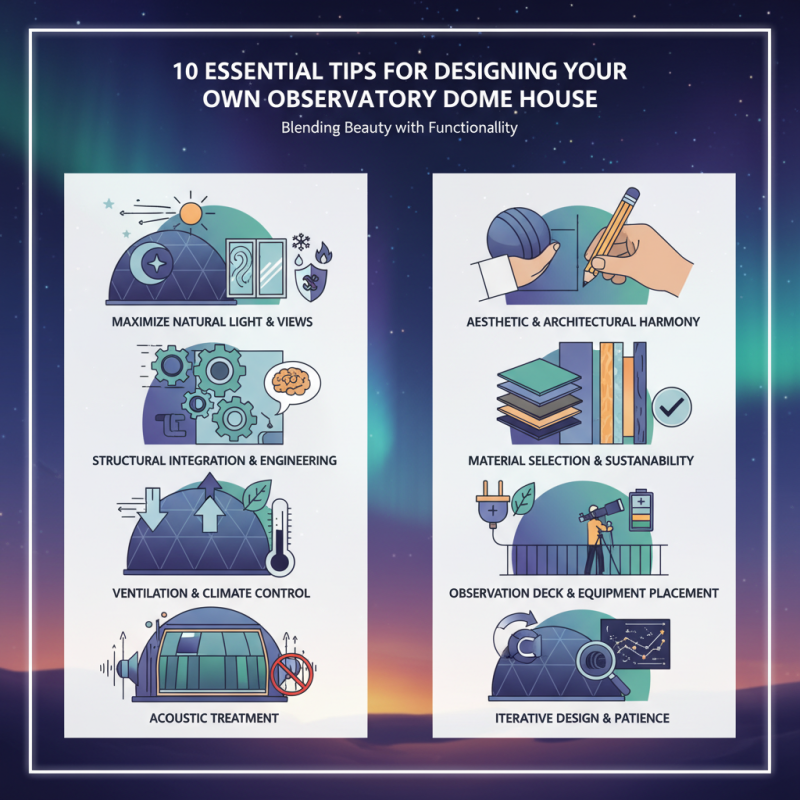
Designing your own observatory dome house is an exciting journey. Understanding the basics is crucial. Start by considering the location. Dense trees or tall buildings can obstruct your view of the night sky. A clear horizon is essential for stargazing. Evaluate the landscape carefully. A flat area is often ideal, but some slope can help with drainage.
Materials play a significant role in the design. Insulation is important, especially if you live in a colder area. The dome shape helps in ventilation and stability against strong winds. Think about the size of the dome. A larger dome offers a broader field of view, but it also requires more materials and energy. Reflect on your needs. Will you have a small telescope or a larger one?
Natural light is both a friend and a foe. While you want a bright space during the day, too much daylight can hinder night observations. Innovative window designs can mitigate this. Lastly, remember that building codes vary. Research local regulations to avoid future headaches. Balancing aesthetics and functionality is vital, but it’s common to make missteps along the way. Don’t hesitate to adapt your plans based on new insights.
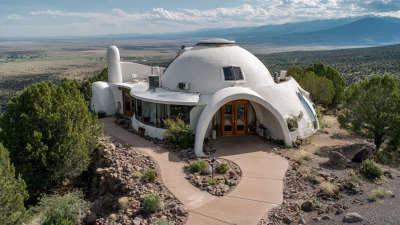
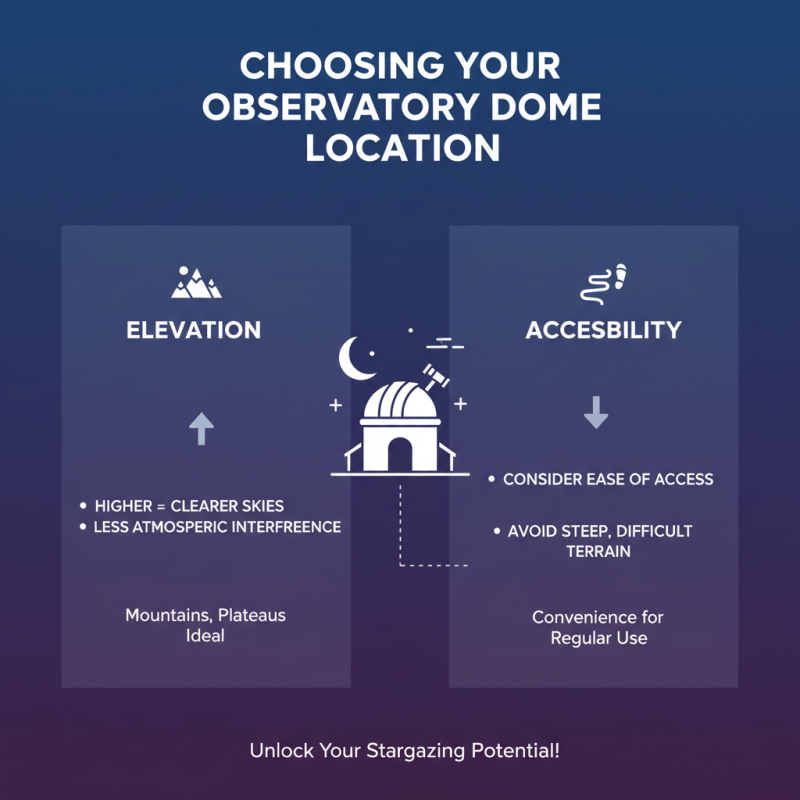
When considering the location for your observatory dome house, a few key factors emerge. First, elevation can significantly impact your viewing experience. Higher locations offer clearer skies and less atmospheric interference. Think about sites near mountains or elevated plateaus. They may provide stunning views and ideal stargazing conditions. However, accessibility can pose challenges. No one wants to trek up a steep hill every night.
Next, light pollution is a crucial element. Urban areas often come with bright city lights, which hinder visibility. Opt for sites away from towns and busy roads. Rural areas or nature reserves can be perfect. But remember, more remote locations can lead to issues with equipment logistics, supplies, and safety. Proper planning is vital.
Soil stability is another point to ponder. A solid foundation is essential for any structure. Check for areas prone to erosion or flooding. This might not seem urgent, but neglecting it could lead to expensive repairs later. Weather patterns also play a role. It's wise to consider the typical climate in your chosen area. Extreme weather can disrupt your activities, creating obstacles in your observatory goals.
Building your own observatory dome house requires careful consideration of materials. One of the most popular choices is fiberglass. It is lightweight, durable, and offers good thermal insulation. Fiberglass can also be molded into various shapes, allowing for a seamless design that complements the curvature of the dome. However, ensure proper UV protection to prevent degradation over time.
Another essential material is plywood for the internal framework. It’s widely available and easy to work with. Using marine-grade plywood can enhance durability against moisture. However, be aware that it can warp if not properly sealed, so invest time in protective coatings.
Consider incorporating transparent materials like polycarbonate for the dome’s opening. This material allows for excellent light transmission while offering good UV protection. Yet, it can scratch easily, so careful handling is necessary. Addressing these imperfections in material choices can lead to a more robust observatory experience, ensuring your structure can withstand the test of time.
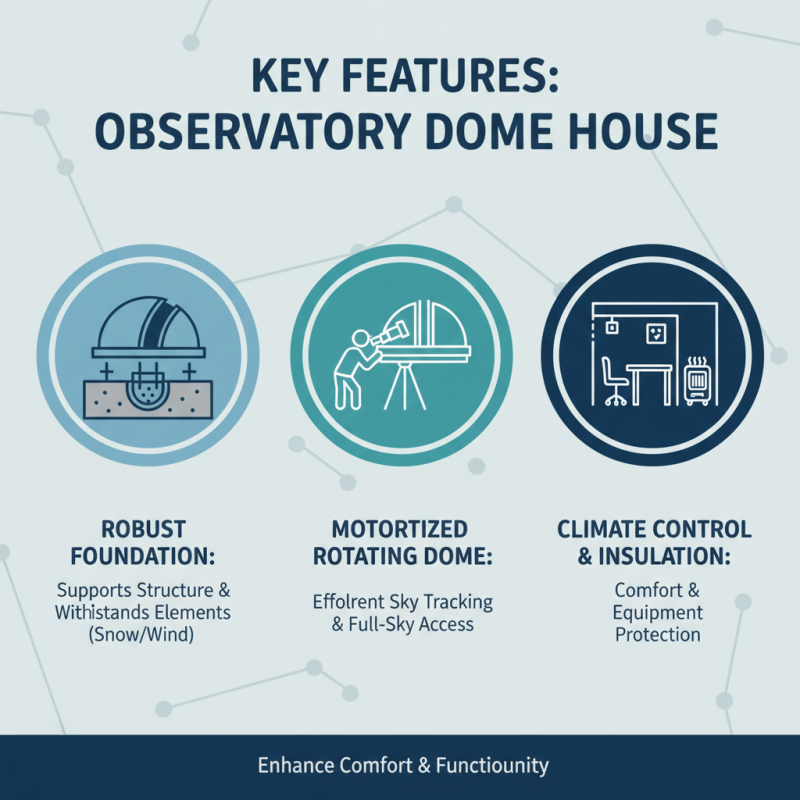
Designing an observatory dome house is an exciting venture. Consider incorporating key features that enhance both comfort and functionality. A robust foundation is essential to support the dome structure. It must withstand environmental challenges, such as heavy snow or strong winds.
Another critical aspect is the choice of materials. Lightweight yet durable options like reinforced fiberglass can offer longevity. Insulation is vital for temperature control. Properly insulated walls and a well-sealed dome can regulate indoor temperatures effectively, ensuring a cozy atmosphere year-round.
An observatory dome house should also have large, adjustable windows for a great view of the night sky. Consider including a retractable roof for easy stargazing. This feature invites nature inside and creates a unique living experience. However, think carefully about the placement and orientation of the dome. Light pollution from nearby sources can hinder stargazing efforts, so scouting for a suitable location is advisable. Without thoughtful planning, even the most sophisticated designs may fall short of expectations.
When designing your observatory dome house, accessibility is key. Think about wheelchair access. Wide doorways and ramps are essential. They ensure that everyone can enjoy the space. Consider the layout, too. Place observation areas at a comfortable height. This allows for easy viewing without straining. A thoughtful design makes a big difference.
Utilities play a crucial role in your observatory dome. Plan for electricity and water in advance. Solar panels can provide a sustainable option for energy. Ensure proper drainage systems to avoid water issues. Keep in mind that utility placement can affect your interior design. A clutter-free environment can enhance your experience.
Reflect on the practicality of your plans. Sometimes, what looks good on paper may not work in reality. Test your designs by walking through them mentally. Ask for feedback from potential users. This will help you address any accessibility concerns effectively. A well-thought-out design will create a welcoming space for all.
| Tip | Description | Accessibility Considerations | Utility Planning |
|---|---|---|---|
| Choose the Right Location | Select a site with minimal light pollution and good visibility of the night sky. | Ensure accessible paths and parking for all visitors. | Consider proximity to power sources and water supply. |
| Design for Space | Plan for enough interior space to accommodate equipment and observers comfortably. | Incorporate wide doorways and navigate paths. | Ensure sufficient electrical outlets for instruments and computers. |
| Dome Shape and Size | Choose an optimal dome size for your telescopes and body structure. | Consider the height of the dome for wheelchair users. | Plan for HVAC and insulation suitable for the dome’s design. |
| Lighting | Install low-level lighting to avoid glare while preserving dark adaptation for viewing. | Ensure all lights are mounted at accessible heights. | Plan for external and internal light sources that minimize skyglow. |
| Access to Equipment | Organize storage and access to telescopes and observation tools. | Ensure all equipment is reachable for users with disabilities. | Provide easy access to utility connections for equipment setup. |
| Weather Considerations | Design to withstand local weather conditions, including wind and snow loads. | Install weather-resistant ramps and paths. | Include waterproofing measures for electrical installations. |
| Safety Features | Incorporate fire exits and emergency plans in the design. | Provide clear signage and illumination for exits. | Run utility lines in a way that avoids tripping hazards. |
| Community Engagement | Involve the community in planning to ensure needs are met. | Gather feedback on accessibility needs from local groups. | Coordinate with local services for utilities. |
| Sustainability Practices | Incorporate eco-friendly materials and designs. | Maintain easy access for users of all mobility levels. | Explore alternative energy options, like solar power. |
| Regular Maintenance | Establish a routine for checking equipment and structural integrity. | Ensure maintenance areas are accessible. | Arrange utilities for easy access during maintenance tasks. |