Inquiry
Form loading...

10 Essential Tips for Designing a Telescope Dome Structure?

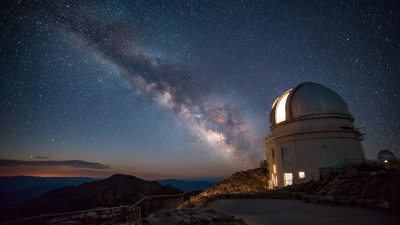
In the fascinating world of astronomy, the design of a Telescope Dome Structure is crucial. Experts like Dr. Emily Carter, a leading astrophysicist, emphasize, “The right dome can make or break your observational experience.” Her words highlight the importance of thoughtful design and functionality.

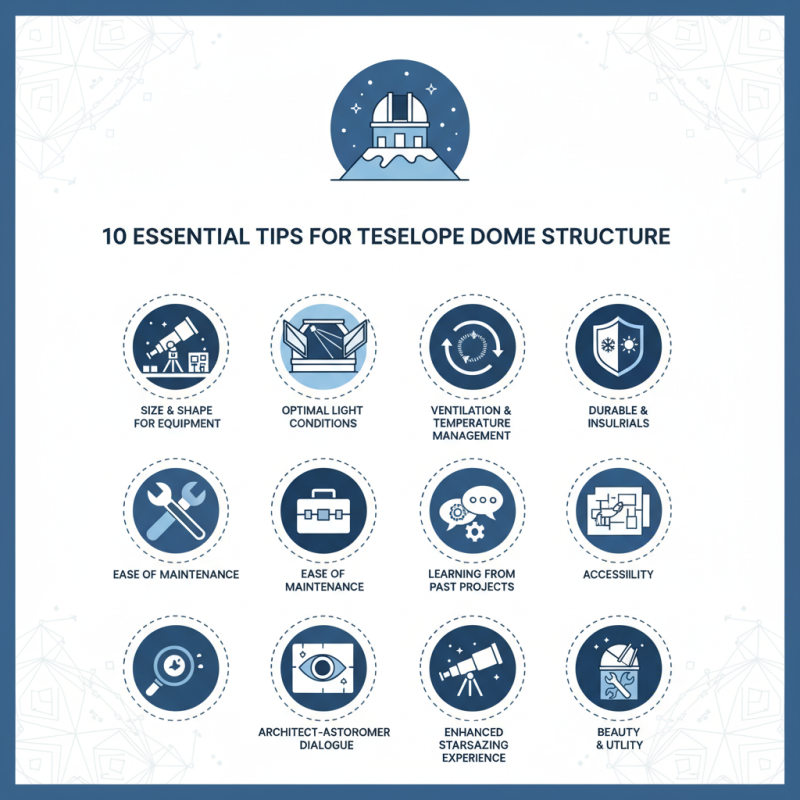
Creating an effective Telescope Dome Structure involves several key considerations. The size and shape must accommodate various equipment while allowing for optimal light conditions. Additionally, ventilation remains critical to manage temperature and humidity. Quality materials also ensure durability and insulation against harsh weather.

Despite our best efforts, there are challenges. Often, initial designs may overlook practical aspects like accessibility or maintenance. Architects and astronomers must engage in constant dialogue. Learning from each project can lead to refined structures that enhance stargazing experiences. Each Telescope Dome Structure should serve as a testament to both beauty and utility.

10 Essential Tips for Designing a Telescope Dome Structure?

Understanding the Purpose and Functionality of a Telescope Dome

10 Essential Tips for Designing a Telescope Dome Structure?

A telescope dome serves a crucial purpose. It protects the telescope from weather elements. Rain, snow, and wind can harm delicate instruments. A dome provides a stable environment. This stability is vital for precise observations.

When designing your dome, consider airflow and climate control. Poor ventilation can lead to temperature fluctuations. These changes may impact telescope performance. Think about insulation to maintain a consistent internal environment. Your observations must be as clear as possible.

Lighting is also key. A well-lit dome ensures safety during night operations. Yet, harsh lighting can create glare. Use dimmable options for flexibility. Design the structure with accessibility in mind. It should allow for easy equipment setup and maintenance. Reflecting on these aspects can lead to a functional and effective telescope dome.

Choosing the Right Location for Your Telescope Dome Structure

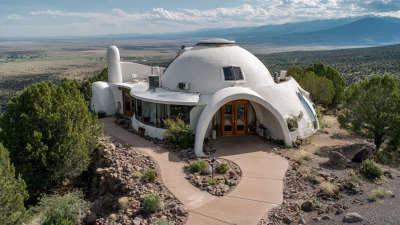
Choosing the right location for your telescope dome structure is crucial for optimal observations. Look for a site with minimal light pollution. Check the surrounding areas for streetlights and urban developments. A secluded spot can be more beneficial. Elevation matters too. Higher ground can mean clearer skies and less atmospheric interference.

Consider the local weather conditions. Areas with consistent, clear nights are ideal. Wind can also be a factor; strong winds can disrupt your observations. If the site is too exposed, it might be worth looking again. Remember, even a perfect dome won’t help if the skies are typically cloudy.

Access to your site is another important detail. Ensure you can transport your telescope and equipment easily. The ground surface should be stable and flat. A spot that's hard to reach may frustrate your observations. Think about utilities too; electricity might be necessary for equipment. Balancing all these factors can be challenging. It's a journey that requires reflection and adjustments along the way.

10 Essential Tips for Designing a Telescope Dome Structure

Tip Number Tip Description Importance Level Recommended Features
1 Choose a high elevation site for reduced atmospheric distortion. High Height above sea level, clear access.
2 Ensure minimal light pollution in the area. Critical Far from city lights, dark sky location.
3 Avoid regions with high humidity and frequent clouds. Medium Dry climate analysis, seasonal forecasts.
4 Select a location with stable air quality for clear images. Critical Air quality monitoring, low pollution levels.
5 Consider accessibility for maintenance and operations. High Road access, nearby facilities.
6 Plan for structural stability against wind and storms. High Wind-resistant design, local building codes.
7 Incorporate features for temperature control. Medium Insulation, ventilation systems.
8 Design for easy equipment access and operation. High Open layout, ergonomic placements.
9 Include electrical and data connectivity for modern technology. Critical Power sources, internet access.
10 Plan for future expansion if needed. Medium Scalable design, additional space considerations.

Key Materials for Building a Durable Telescope Dome

When designing a telescope dome, the choice of materials is critical. The structure must withstand various weather conditions. Common choices include wood, metal, and concrete. Each material has its pros and cons. Wood is lighter but may warp over time. Metal provides strength but can rust without proper treatment. Concrete offers durability, yet it is heavy and may require more supports.

Insulation is also a key factor. Consider using foam or reflective materials to maintain a stable temperature inside the dome. Proper insulation protects your equipment from temperature fluctuations. Don't forget about ventilation. A well-ventilated dome prevents moisture buildup, which can damage your telescope.

In the designing phase, think about the dome's shape. A spherical design can distribute stress more evenly. However, complex shapes may require more skilled labor. Sometimes, simpler designs are more practical. Remember, it's essential to test your ideas on smaller models before committing to full-scale construction. Adjusting designs based on initial trials can lead to a better final product.

Design Considerations for Optimal Telescope Viewing

Designing a telescope dome structure requires thoughtful consideration for optimal viewing. Start by prioritizing site selection. A dark location with minimal light pollution is crucial. The dome should align with the celestial objects you want to observe. Ensure the opening angle is sufficient for a wide field of view.


Ventilation is another key factor. A well-ventilated dome helps prevent heat distortion, which can blur images. Consider using automated vents. This could enhance the overall viewing experience. Make sure to account for wind exposure as well. Strong winds can affect stability. Sometimes, you may need to rethink the dome’s orientation to avoid these issues.


Material choice impacts both durability and thermal performance. Insulation can mitigate temperature fluctuations. You might find that lighter materials are easier to manage, but they may lack strength. Balance is essential. Experiment with different designs to find what works best for your needs. After all, even small adjustments can lead to significant improvements in your observing experience.

Incorporating Automation and Technology in Dome Design

Incorporating automation and technology in dome design can significantly enhance a telescope's functionality. A study presented at the International Astronomical Union detailed that automated domes can reduce telescope setup time by up to 30%. This efficiency allows astronomers to focus more on observing rather than preparation. Automated systems can control dome openings, adjust orientation, and manage environmental conditions, leading to improved observation quality.

When considering materials for the dome structure, integration of technology is crucial. Lightweight and durable materials improve ease of automation. Advanced sensors can monitor temperature and humidity, while remote-controlled motors can operate the dome’s movements. However, not all designs work perfectly in practice. Some prototypes faced issues with sensor reliability, leading to unexpected closures during observations. Continuous testing and refinement of these systems are essential.

Furthermore, smart technology can facilitate data collection from observations. Real-time data processing can enhance research outcomes, but the reliance on tech can pose risks. If systems malfunction, astronomers may miss critical celestial events. Balancing innovation with thorough testing and user experience is vital for successful dome designs.