How to Experience the Future of Hybrid Planetarium Technology?
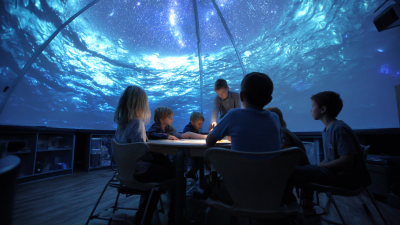
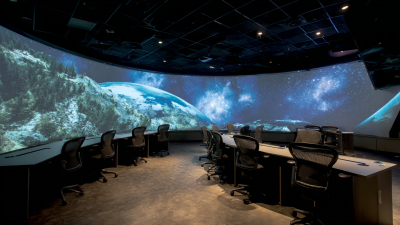
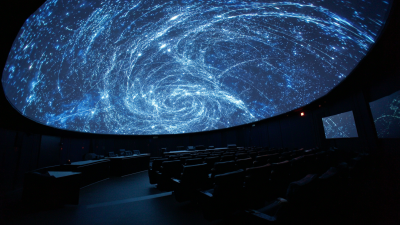
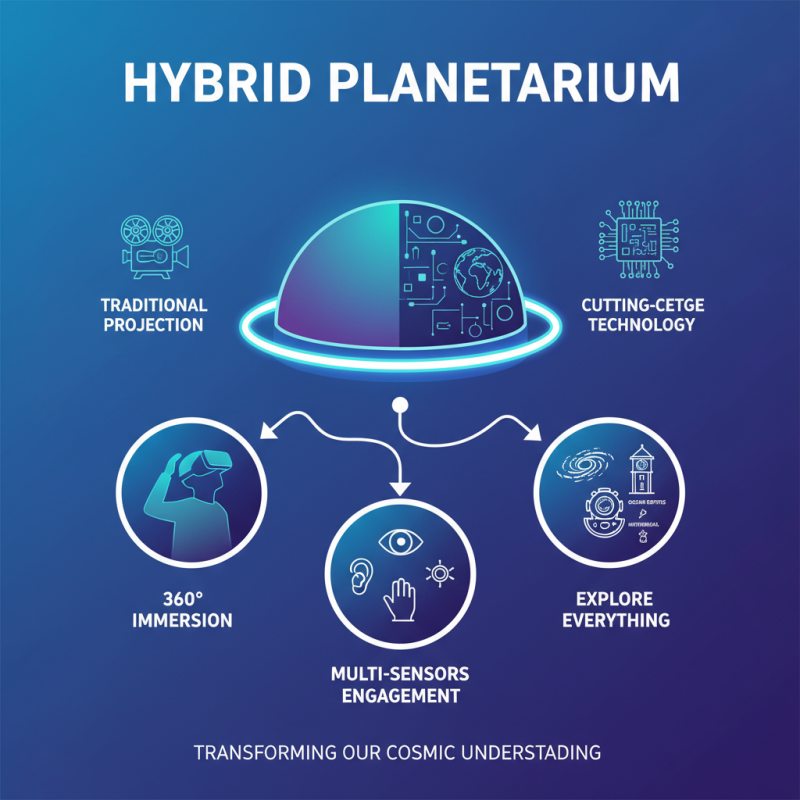
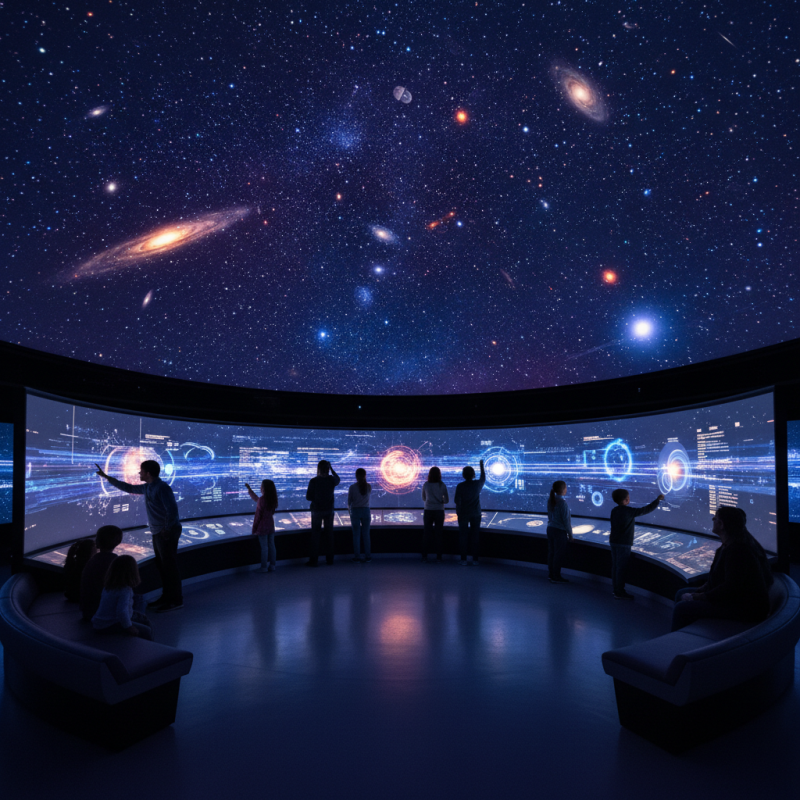
The future of educational experiences is bright, especially with hybrid planetarium technology. Imagine entering a dome where stars twinkle above, and interactive screens surround you. Hybrid planetariums blend traditional projections with digital elements, creating immersive experiences. These spaces invite exploration and curiosity.
As we engage with hybrid planetariums, we encounter a unique blend of art and science. Various projections come alive, illustrating cosmic phenomena. Audiences can navigate the mysteries of the universe. Yet, there are challenges in creating content that resonates universally. Not every show will capture every viewer's imagination.
In this new age, we must reflect on how we interact with such technology. The possibilities seem endless, but we cannot ignore the complexities involved. Creating a compelling experience is an ongoing process. Hybrid planetariums will keep evolving, challenging us to engage deeply with our world and beyond.
Understanding Hybrid Planetarium Technology and Its Evolution
Hybrid planetarium technology represents a significant leap in educational and entertainment experiences. This technology, combining digital projection with traditional optical systems, has evolved rapidly. According to a report from the International Planetarium Society, over 40% of planetariums worldwide have integrated hybrid systems as of 2022. These systems enhance visuals and provide immersive experiences, effectively blending the best of both worlds.
The evolution of hybrid technology is driven by advancements in projection techniques. Traditional star projectors lacked the capability to show detailed astronomical phenomena. With hybrid systems, planetariums can now showcase real-time data and high-resolution visuals. This is crucial for educational contexts, where accuracy is essential. Yet, some may argue that the integration of technology can sometimes detract from the raw beauty of a simple night sky. Finding balance is key.
Looking ahead, the industry's growth points to an increasing demand for interactive experiences. A recent survey indicated that 75% of visitors prefer engaging content over passive viewing. However, this raises questions about the depth of knowledge shared in these settings. Are we sacrificing detailed science for flashy visuals? The challenge lies in creating experiences that educate without oversimplifying complex concepts.
Hybrid Planetarium Technology Adoption Over the Years
Key Features of Modern Hybrid Planetarium Systems
Modern hybrid planetarium systems combine cutting-edge technology with immersive experiences. These systems use a mix of digital projectors and traditional optics to create stunning visual displays. According to a recent industry report, 70% of planetariums now utilize hybrid systems, significantly enhancing visitor engagement.
One key feature of hybrid technology is the use of high-resolution digital content. This allows for stunning visuals and detailed simulations of celestial events. The quality of projection can reach up to 8K resolution, providing an incredible viewing experience. It is essential for planetarium operators to stay updated with these advancements to attract more visitors.
Tips: Consider offering interactive elements. Engaging visitors with hands-on activities can enrich their experience. Also, evaluate the seating arrangements. A well-designed space enhances comfort and visibility, making the experience more enjoyable.
However, implementing hybrid systems can be challenging. Some facilities struggle with integration. Training staff is crucial. They must be familiar with both digital and analog technologies. Without proper training, the potential of hybrid systems may not be fully realized.
Immersive Experiences Offered by Hybrid Planetariums
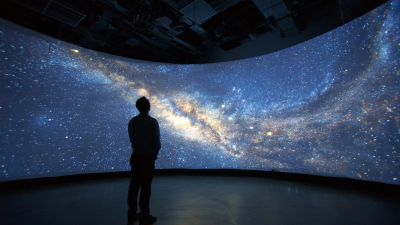
Hybrid planetariums are transforming our understanding of the cosmos. They blend traditional dome projections with cutting-edge technology. These immersive experiences engage all senses. Visitors get a 360-degree view of the universe. They can explore distant galaxies, dive into ocean depths, and even witness historical events.
The use of virtual reality enhances each visit. Users can interact with vivid displays. Imagine walking on Mars or swimming with whales. This technology allows for personalized experiences. Each person can explore at their own pace. Yet, not every moment is perfect. Technical glitches sometimes disrupt these journeys. At times, screens may fail to synchronize. This requires patience and adaptability from visitors.
Engagement goes beyond mere observation. Workshops and interactive sessions invite participation. Attendees can learn about astronomy or environmental science. However, not everyone finds these activities appealing. Some prefer a passive experience. Striking a balance is essential. Despite the challenges, hybrid planetariums offer a glimpse into future learning. Each visit leaves room for improvement and exploration.
How to Engage with Content in a Hybrid Planetarium
In a hybrid planetarium, engaging with content goes beyond mere observation. Visitors can experience an immersive blend of digital displays and traditional methods. Imagine sitting under a dome, surrounded by vivid stars and animated visuals. The atmosphere is charged with excitements, but it can also feel overwhelming. How do you truly connect with this experience?
Interactivity is key in a hybrid planetarium. Viewers can navigate through various themes, choosing what interests them. Some may find this freedom liberating, while others might feel lost in the vast options available. For instance, users can select a journey through the cosmos or dive into Earth’s ecosystems. Yet, the balance between choice and guidance can sometimes be tricky.
Moreover, the integration of live commentary adds a personal touch. It allows for deeper engagement, yet not everyone appreciates this format. Some prefer silence to absorb the visuals. Others may crave more information. This diversity of preferences highlights a challenge: how to cater to varied audiences while preserving the essence of the experience. Finding the right mix can transform a good show into a great one.
Future Trends in Planetarium Technology and Visitor Interaction
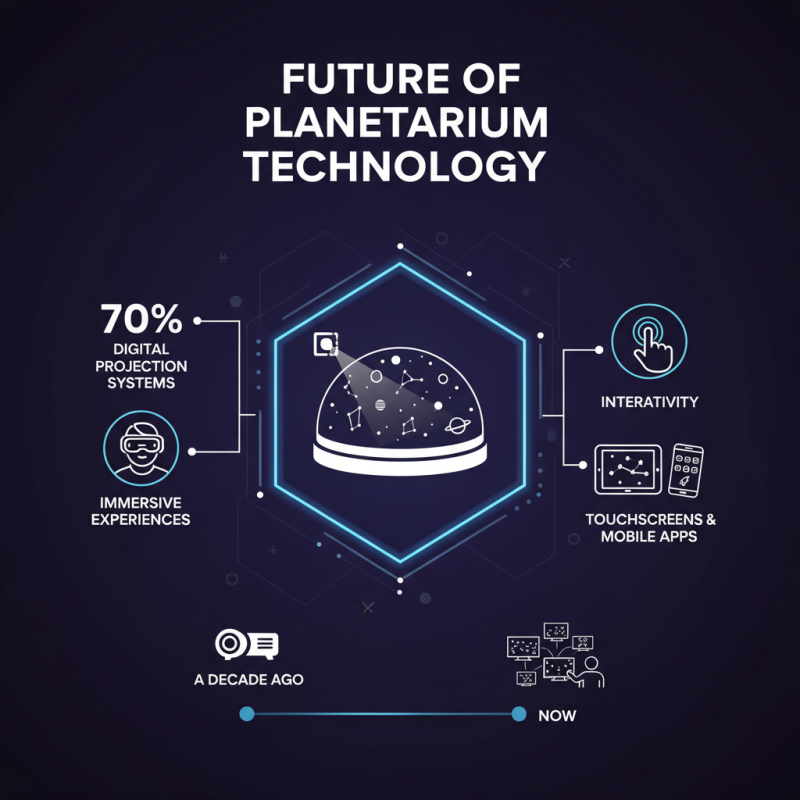
The future of planetarium technology is rapidly evolving. Reports indicate that about 70% of planetariums are now integrating digital projection systems. These systems enhance user experience and create more immersive environments. Visitors can engage with content in ways that were not possible just a decade ago. Interactivity is becoming a key focus. Touchscreens and mobile apps allow guests to explore constellations, planets, and cosmic events actively.
Recent studies show that around 65% of planetarium visitors prefer interactive shows. They appreciate the ability to influence what they see and learn. For instance, some installations now allow users to manipulate visuals with hand gestures. This creates a more personal and engaging experience. Yet, not all institutions have embraced these changes. Budget constraints often limit technological upgrades. This can lead to a disparity in visitor experiences.
There’s also the challenge of maintaining interest. Many older planetarium setups have static displays. They can't compete with dynamic digital experiences. Visitors often leave feeling less satisfied. Insights suggest that hybrid technologies, combining live presentations with digital elements, may bridge this gap. It’s a growing trend that requires careful planning and execution. The path forward is complex, but the potential is significant. Planetariums must adapt to meet the evolving expectations of their audience.