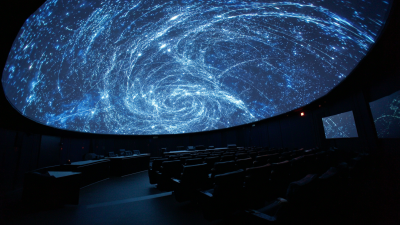
What is Fulldome Projection and How is it Used?
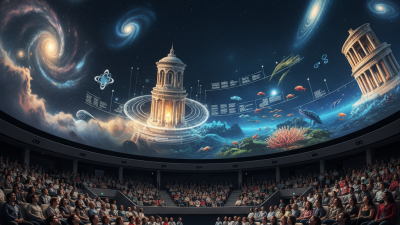
Fulldome Projection is an innovative technology transforming visual experiences. As a dome-shaped screen, it offers 360-degree views of immersive content. This format significantly enhances educational, entertainment, and artistic endeavors. In planetariums, museums, and theaters, Fulldome Projection creates captivating environments for audiences.
The complexity of Fulldome Projection lies in its unique capabilities. Creating rich, detailed visuals demands specialized equipment and software. Artists and educators leverage this technology to present intricate narratives and data. However, mastering it can pose challenges for new users. Understanding its intricacies is crucial for maximizing its potential.
Despite its advancements, there are imperfections in the application of Fulldome Projection. Not every show achieves a perfect balance of quality and engagement. Crafting compelling content is an ongoing journey for many creators. Continuous feedback and learning play essential roles in refining these visual experiences. As this technology evolves, so do the opportunities and challenges it presents.
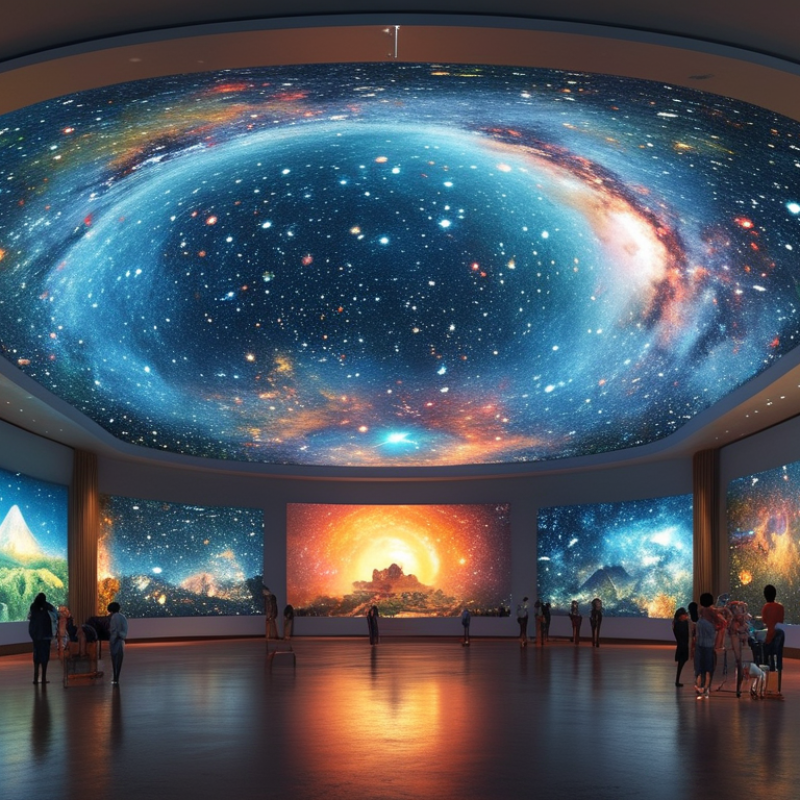
What is Fulldome Projection?
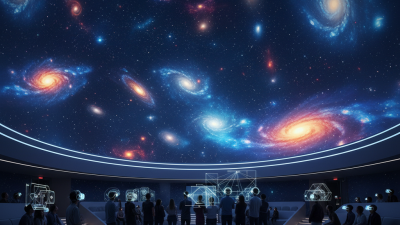
Fulldome projection is an immersive visual technology that creates a 360-degree viewing experience. It involves projecting images onto a dome-shaped surface, allowing viewers to feel as if they are part of a different environment. This type of projection is commonly used in planetariums, museums, and educational facilities. It enhances storytelling by enveloping the audience in visually stunning imagery.
The impressive aspect of fulldome projection is its ability to convey complex concepts in an engaging way. For instance, a science lesson can transform into a journey through space or a historical overview. The visuals are stunning and can captivate a wide audience, spanning age groups and educational backgrounds. However, designing content for fulldome projection can be challenging. The unique format requires careful planning to ensure that the visuals are both coherent and captivating.
Consider focusing on the emotional response of your audience. Strive to evoke wonder through your projections. Use soundscapes to complement visuals, creating a deeper connection. Always test your content with various viewers to gain feedback. This reflection is crucial for improvement. Ensuring that the experience is both educational and enjoyable can require multiple revisions and fresh insights.
History and Development of Fulldome Technology
Fulldome technology has a fascinating history that traces back several decades. It began to gain traction in the 1960s with the advent of the planetarium projection system. These systems employed simple slide projectors to showcase celestial bodies. However, the limitations of traditional projectors soon became evident. As interest in immersive experiences grew, there was a shift towards digital projection methods.
The 1980s marked a pivotal moment for fulldome technology. A move towards digital was notably accelerated by the introduction of high-resolution digital projectors. By the late 1990s, real-time rendering software allowed for more dynamic and engaging visuals. According to a recent market analysis, the global fulldome projection market is anticipated to reach $250 million by 2025. This growth can be attributed to its applications in education and entertainment settings.
Despite advancements, fulldome technology faces challenges. Many educational institutions struggle to integrate these systems effectively. Budget constraints often limit access to high-quality equipment. Additionally, content creation remains a hurdle. While there is a wealth of immersive content available, not all institutions can utilize it. This disparity raises questions about how to make fulldome technology accessible to a broader audience. The journey of fulldome technology is ongoing, with potential for greater inclusivity and innovation.
What is Fulldome Projection and How is it Used? - History and Development of Fulldome Technology
| Dimension |
Description |
Year of Introduction |
Application Areas |
| Projection Type |
Fulldome |
1950s |
Planetariums, Museums |
| Technology Used |
Digital Projection |
2000s |
Education, Entertainment |
| Screen Shape |
Dome |
N/A |
Astronomy, Science Shows |
| Content Format |
360-Degree Video |
2010s |
Documentaries, Interactive Experiences |
| User Experience |
Immersive |
N/A |
Virtual Reality, Art Installations |
Applications of Fulldome Projection in Education
Fulldome projection is revolutionizing education. It offers immersive experiences that engage and inspire students. This technology transforms classrooms into dynamic spaces where learning comes alive. With a dome-shaped screen, students can explore different concepts in a captivating way. Subjects like astronomy or biology become interactive adventures.
Integrating fulldome projection into lessons can be powerful. For instance, students can visualize the solar system's vastness during a science lesson. They can navigate through the human body in a biology class. This approach sparks curiosity and motivates learners. Teachers who adopt this method often report increased student engagement.
Make sure to blend this technology with traditional teaching methods. While fulldome projection is engaging, it shouldn't replace essential skills. Reflection and critical thinking are equally important. Encourage discussions after immersive experiences. This will help students process what they learned. Balancing technology with foundational skills will create well-rounded learners.
Applications of Fulldome Projection in Education
This bar chart illustrates the applications of fulldome projection across various educational fields. The data represents the percentage of usage for each subject, showcasing the prominence of astronomy among other disciplines where fulldome technology can enhance learning experiences.
Art and Entertainment: Fulldome in Cinematic Experiences
Fulldome projection represents a transformative approach to entertainment. Its immersive experience makes it a powerful medium for cinematic storytelling. According to a report by the International Planetarium Society, fulldome content can enhance viewer engagement by up to 40% compared to traditional formats. This immersive design creates a unique environment where audiences can explore narratives from multiple perspectives.
Artistic installations using fulldome technology often blend animation and live-action. This fusion produces a captivating visual landscape. Films created for fulldome environments allow audiences to become part of the story. The concave canvas surrounds viewers, making them feel present in the film's universe. A 2022 study indicated that viewers reported higher emotional connectivity in fulldome experiences versus standard cinema, showing an increase of around 30% in audience satisfaction.
Despite its advantages, the technology does have learning curves. Not all studios have the resources to create high-quality content. The complexity of producing fulldome films can lead to inconsistent experiences. Moreover, audience access may remain limited in certain regions, impacting the overall reach of this innovative medium. Balancing the creation of captivating content with practical distribution strategies remains a challenge for the industry.
Future Trends and Innovations in Fulldome Projection Technology
Fulldome projection technology is rapidly evolving. One of the most exciting trends is the integration of interactive elements. Visitors can engage with the content in real time. This creates a more immersive experience. Imagine walking through a virtual landscape and touching stars or planets. This innovation sparks curiosity and wonder.
Another trend is the use of higher resolution displays. These advancements enhance the visual quality and detail. Spectators can enjoy a clearer and more vivid experience. Yet, challenges remain. The technology can be costly, limiting access for some institutions. Additionally, maintaining quality over time is still an area needing improvement.
Augmented reality is becoming a focal point as well. By layering digital images onto the fulldome experience, audiences can interact with projections in new ways. This requires a blend of both technical skill and artistic vision. As the demand for personalized experiences grows, the focus shifts to customization. How can projections be tailored to different audiences? This is a question that many creators are grappling with. The future of fulldome projection holds immense potential, yet it also brings obstacles that the industry must overcome.