What is the Ideal Observatory Dome Diameter for Your Needs?
Choosing the right Observatory Dome Diameter is crucial for any astronomical facility. A well-known industry expert, Dr. Emily Carver, stated, “The diameter of your observatory dome directly impacts your ability to capture clear data.” With increasing advancements in telescope technology, understanding the ideal dome size becomes more significant.
Larger diameters typically allow for better air circulation and reduced thermal turbulence. A report from the American Astronomical Society suggests that observatories using domes larger than 4 meters tend to achieve superior image quality. However, bigger does not always mean better; some operations may find a 2-3 meter dome sufficient based on their specific needs.
Assessing your requirements involves weighing factors like telescope size, location, and budget. Many observatories report challenges with maintenance and cost for larger diameters. Some users have even expressed regrets over their initial choices related to dome sizes. Striking the right balance will enhance your astronomical experience and data collection capabilities, making the Observatory Dome Diameter a pivotal aspect of your setup.
Assessing Your Astronomy Goals: What Do You Want to Observe?
When considering an observatory dome, your astronomy goals significantly influence the ideal diameter. For instance, amateur astronomers focusing on lunar and planetary observations may find a dome diameter of 8 to 10 feet sufficient. This size accommodates telescopes with apertures of 4 to 8 inches, providing a balance between visibility and affordability.
In contrast, serious astrophotographers often require larger domes. A diameter of 12 to 16 feet ensures they can house larger telescopes, which enhance light-gathering capabilities and detail resolution.
The American Astronomical Society reports that observing deep-sky objects demands a setup that minimizes light pollution. A larger dome can facilitate this by enabling more expansive views and accommodating specialized equipment. If your aspirations include capturing images of distant galaxies, consider a 14-foot dome or larger. It provides room for additional cameras and filters, essential for high-quality images.
Tip: Think about how often you plan to observe different celestial objects. This can help you choose a dome that satisfies your needs long-term.
Pay attention to local regulations and your budget. You might realize that a mid-sized dome is more practical than a vast one. Reflect on your needs and reevaluate them regularly, especially as your interests develop. Deploying a modest dome may still yield incredible astronomical experiences.
Understanding Dome Dimensions: Importance of Diameter in Observatories
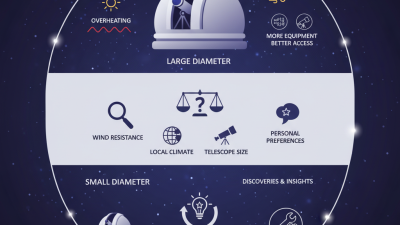
When selecting an observatory dome, the diameter is a crucial factor. The right size directly influences your viewing experience and the equipment you can use. A smaller dome may limit your telescope's capabilities. In contrast, a large dome provides flexibility for various instruments. However, larger domes also require more maintenance and can be more expensive to build.
Consider your local observing conditions. A wider dome allows for better airflow and temperature regulation. This can enhance the clarity of your observations. Think about your specific needs and goals. For amateur astronomers, a 12-foot dome might suffice. But professional settings may demand sizes of 20 feet or more.
Focusing too much on diameter can lead to overlooking other factors. The height and shape of the dome also matter. A tall dome can reduce obstructions that block your view. Remember, each choice has pros and cons. Assessing these elements carefully will lead to a better overall setup for your astronomy journey.
Factors Influencing Dome Size: Equipment, Location, and Environment
Choosing the right observatory dome diameter is essential for effective astronomical observation. The size is influenced by several factors, including the equipment you plan to use. Larger telescopes require more room, which means bigger domes are often necessary. If you intend to use advanced imaging systems, ensure your dome can accommodate these setups comfortably. A tight fit can lead to frustration and limit your observational capabilities.
Location also significantly impacts dome size. Higher altitudes often provide clearer skies, but they may also expose your observatory to harsher weather conditions. In areas with frequent storms, a more robust structure may be required. A larger dome can withstand high winds better, providing better protection for your equipment. Environmental conditions, like light pollution and ambient temperature, should also factor into your decision. For urban settings, a dome with a larger aperture can improve visibility and enhance your experience.
Lastly, consider your long-term needs. A small dome might suffice now, but as your interests or equipment evolve, you may find it limiting. Reflection on past experiences can help avoid future regrets. Adaptability is key in astronomy, so think ahead. Investing in a suitable dome size can save you from costly modifications later. Opting for a spacious design now could lead to a more fulfilling observational journey.
What is the Ideal Observatory Dome Diameter for Your Needs?
Balancing Cost and Size: Budget Considerations for Astronomical Domes
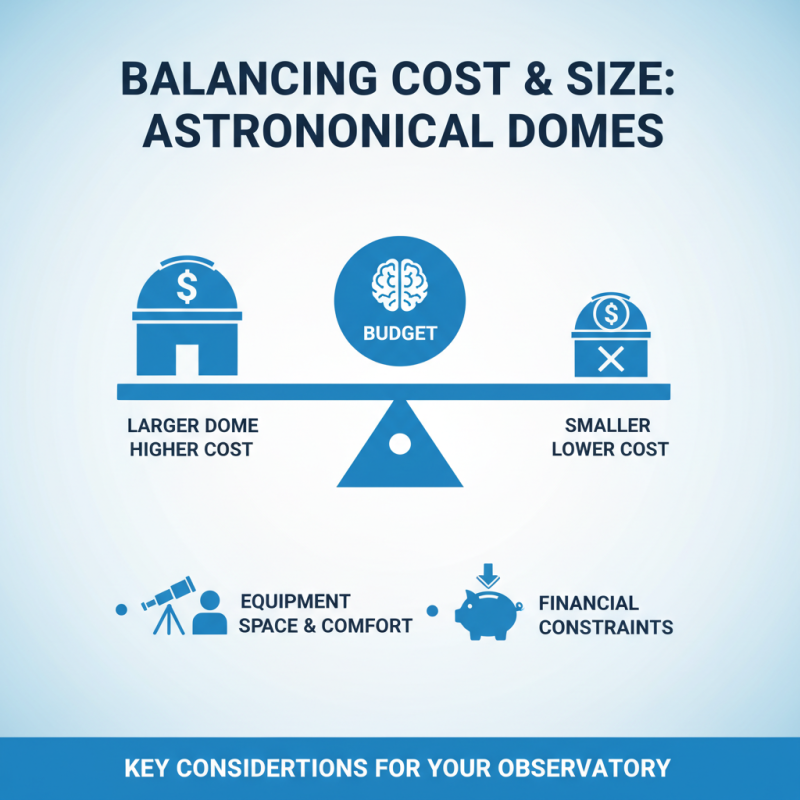
When considering the ideal observatory dome diameter, balancing cost and size is crucial. A larger dome might seem appealing, but it significantly impacts your budget. Space for equipment and comfort is important, yet financial constraints often limit options.
Understanding your observational goals is key. A smaller dome can be effective for specific tasks. For example, if you primarily observe planets, a dome with a diameter of 10 to 12 feet may suffice. Yet, if deep-sky viewing is essential, you might require a larger dome.
Tips:
- Assess your most common viewing sessions.
- Prioritize your needs over size fantasies.
Budgeting for enhancements can be tricky. Construction and maintenance costs add up. Often, people forget about utilities or climate controls. Small savings in size can lead to considerable gains in overall budget health. Still, consider future needs; outgrowing space can be frustrating.
Tips:
- Invest in insulation to save on energy costs.
- Factor in equipment scaling as you grow in your hobby.
Future-Proofing: Choosing a Dome Size for Long-Term Use and Growth
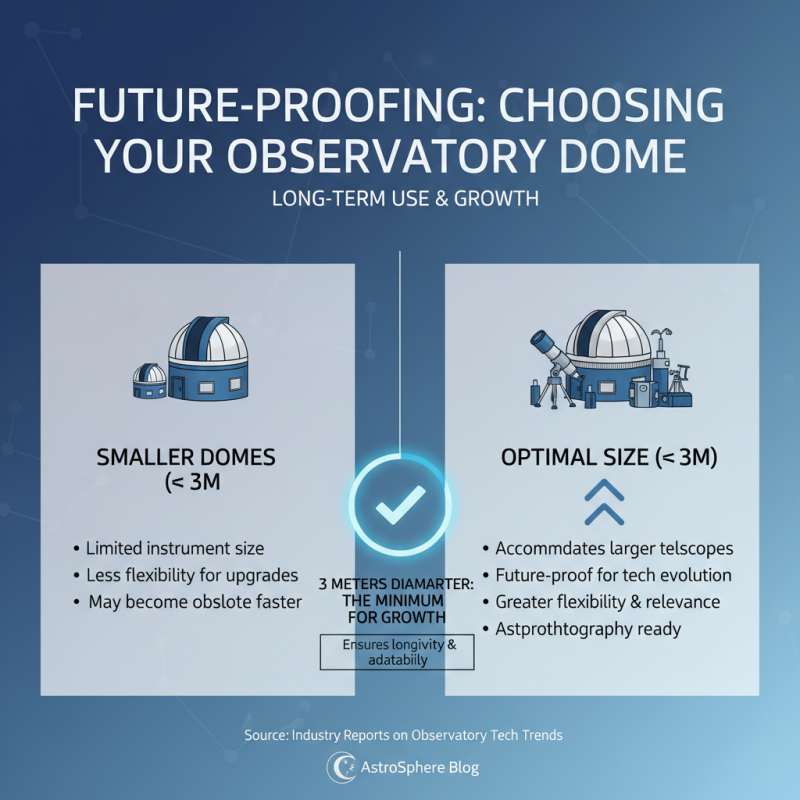
When choosing an observatory dome, size is critical for future-proofing. The ideal diameter of the dome often depends on anticipated growth. Current reports suggest that observatories with a diameter of at least 3 meters can accommodate a wider range of telescopes and astrophotographic equipment. This flexibility becomes vital as technology evolves. A larger dome allows for larger instruments, ensuring the observatory remains relevant for years.
In a recent survey, 45% of astronomers indicated they regretted their choice of dome size after five years. Many started with smaller domes to minimize costs, only to find limitations in equipment upgrades. When considering long-term use, think about the potential changes in your research needs. It may be tempting to opt for a smaller size for immediate savings, but this can restrict future capabilities.
Design choices also play a role. Taller domes can provide better views of the night sky and accommodate larger telescopes. However, larger structures require more investment in materials and maintenance. Balancing these factors is crucial. The choice of dome size should reflect both current needs and long-term aspirations. A well-planned dome can yield benefits that extend well beyond initial costs.