Essential Tips for Choosing a Dome Planetarium for Your Needs?
Choosing the right Dome Planetarium can be overwhelming. The options are diverse, and each one has unique features. Expert Dr. Jane Holloway, a leading authority in planetarium technology, emphasizes, “The right dome can transform your educational experience.”
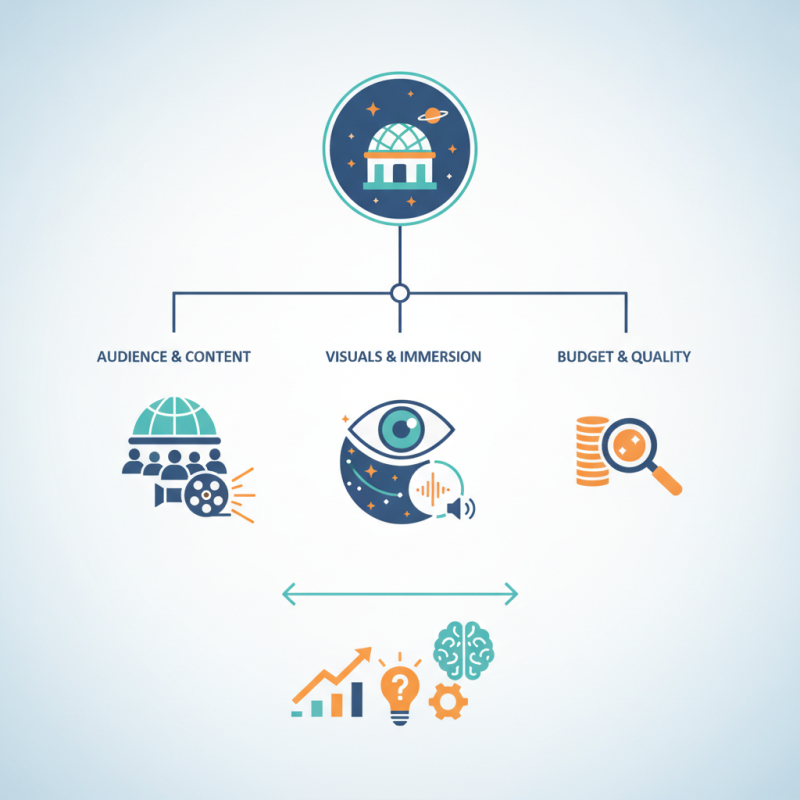
When selecting a Dome Planetarium, consider your specific needs. Think about the size of your audience and the type of presentations you plan. Engaging visuals are crucial, as they captivate viewers. However, not all domes deliver the same immersive experience. Some designs may lack adequate sound or projection quality.
Budget plays a significant role, too. The cost varies widely based on size and technology. Many institutions struggle to find a balance between quality and affordability. Reflect on your priorities. A cheaper option might compromise the overall experience. In an industry evolving rapidly, making an informed decision is essential.
Understanding Your Purpose: Why You Need a Dome Planetarium
Understanding the purpose behind choosing a dome planetarium is crucial. Are you aiming to educate students about astronomy? Or perhaps you want to create an immersive experience for visitors at a museum? Defining your intentions helps streamline your options. Identifying whether your focus is on education, entertainment, or both makes a significant difference in your decision-making.
When selecting a dome planetarium, consider your audience and space limitations. A smaller dome may be ideal for classrooms while larger ones serve well in public settings. Evaluate the materials used in construction and how they affect the overall experience. Durability is essential, especially in high-traffic areas.
One tip: think about the technology you'll need. Do you require projectors or sound systems? Research whether these features can be integrated seamlessly. Another thought is the level of maintenance and support offered. Is it user-friendly for long-term use? Exploring these questions will add clarity to your decision. Consider these factors carefully to make an informed choice.
Evaluating Space Requirements: Size and Layout Considerations
When evaluating space requirements for a dome planetarium, size and layout are crucial. A smaller dome can fit in limited spaces but offers less immersive experiences. Larger domes can create breathtaking visuals but require ample room. Consider ceiling height, too. A low ceiling can limit projection angles and the general ambiance of the space.
Layout plays a significant role in usability. Think about seating arrangements. Comfort is vital. Choices include fixed seats or movable options. Both have pros and cons. Fixed seating maximizes space but may feel restrictive. Movable seating allows for flexibility but can lead to chaos if not organized. Reflect on your intended audience: schools may need more adaptability than public shows.
Lastly, don’t overlook equipment placement. Projectors and speakers need strategic locations for optimal performance. Poor placement can ruin the experience. If you're uncertain about your needs, consulting with experts in planetarium design can help. They can provide insights tailored to your unique situation. Remember, the goal is to create an engaging environment for all visitors.
Essential Tips for Choosing a Dome Planetarium - Space Requirements and Size Comparison
Exploring Different Types of Dome Planetariums: Fixed vs. Inflatable
When choosing a dome planetarium, understanding the differences between fixed and inflatable models is crucial. Fixed planetariums often offer a more permanent installation, providing stable structures and advanced projection technologies. They can accommodate larger audiences and facilitate more complex shows. On the downside, installation costs can be high, and they require significant space.
Inflatable planetariums, on the other hand, are portable and cost-effective. They can easily be set up in various locations, making them ideal for schools and community events. However, they may lack the same level of technological sophistication. This can result in a less immersive experience. Think about your intended use. Will you need portability or advanced features? This decision will guide your choice.
Tips for selecting a dome planetarium include assessing your budget and space availability. Consider the audience size for your shows. Ensure the equipment can meet your needs. Engage with users who have experience with both types. Learning from others can provide valuable insights. Be wary of overly optimistic claims; not all models deliver as promised. Research thoroughly to avoid costly mistakes.
Essential Tips for Choosing a Dome Planetarium for Your Needs
| Type |
Size |
Portability |
Setup Time |
Cost Range |
| Fixed Planetarium |
20 - 80 ft diameter |
Low |
Long (1-2 days) |
$100,000 - $500,000 |
| Inflatable Planetarium |
10 - 30 ft diameter |
High |
Short (1-2 hours) |
$10,000 - $50,000 |
| Hybrid Planetarium |
15 - 50 ft diameter |
Medium |
Moderate (1 day) |
$50,000 - $150,000 |
Key Features to Look For: Technology and Projection Systems
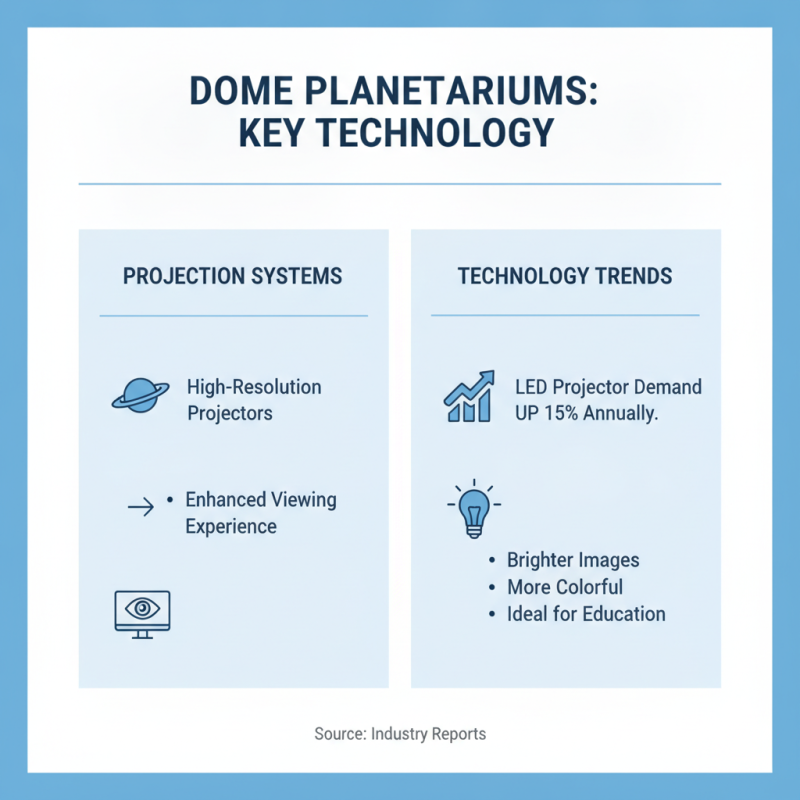
Choosing the right dome planetarium involves careful consideration of various features. Technology and projection systems are vital criteria. High-resolution projectors enhance the viewing experience. Current industry reports suggest the demand for LED projectors is increasing by 15% annually. These projectors provide brighter images and more vivid colors, making them ideal for educational settings.
When evaluating projection systems, consider the type of content you'll display. Some systems offer immersive 360-degree visuals, while others focus on star field simulations. Look for software compatibility that suits your educational goals. A versatile system can present both astronomical shows and scientific documentaries effectively.
Moreover, sound quality is key in creating an immersive environment. Surround sound options can elevate the experience significantly. Users may find it necessary to invest in additional audio equipment, which adds to the overall cost. Reflecting on the usability and maintenance of the system is wise. Frequent updates may be required, which can prove challenging for some institutions. Balancing these criteria can lead to a more informed choice.
Budgeting for Your Dome Planetarium: Costs and Financial Planning
When budgeting for a dome planetarium, it's crucial to understand the potential costs involved. A recent industry report highlighted that the initial outlay for a small dome can range from $20,000 to $100,000. Factors like size, technology, and installation influence these figures. Include additional expenses for maintenance, which might add 10-15% of the initial costs annually.
Cost-effective solutions exist for those on a tight budget. For instance, consider opting for a portable dome. These can be rented for events, providing an immersive experience without significant investment. Additionally, potential grants and funding opportunities could alleviate costs. Many educational institutions report success in acquiring financial support for planetarium projects.
Be aware that quality can vary widely. Cheaper options might compromise projection clarity or user experience. Balancing cost and quality requires careful planning. Research and consider future growth. A larger, more versatile setup can be a wise investment if you anticipate expanding your audience. Establishing a clear financial goal is essential for long-term success.