Inquiry
Form loading...

Top 10 Planetarium Dome Features for Global Buyers?

In the evolving realm of education and entertainment, the "Planetarium Dome" industry is witnessing significant advancements. Recent reports indicate that the global planetarium market is projected to reach $686.7 million by 2027, highlighting a growing interest in immersive astronomical experiences. Renowned planetarium expert Dr. Emily Carter states, “The future of planetarium domes lies in their ability to engage audiences through cutting-edge technology and storytelling.”

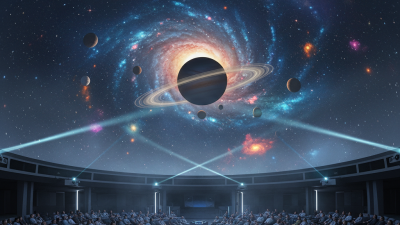
Key features of planetarium domes not only enhance visual experiences but also place a premium on interactivity. Today's domes boast high-resolution projection systems, immersive soundscapes, and flexible design options. A well-equipped dome can transform traditional learning, fostering a deeper understanding of astronomy. However, the disparity in technology access remains a hurdle. Not all institutions are equipped to leverage these advancements effectively, which can lead to uneven educational experiences.

As the demand for planetarium domes grows, it is essential to consider not just the latest technology. Buyers must critically evaluate the specific needs of their audience and the educational goals they aim to achieve. This reflective approach is vital for creating impactful experiences that resonate with viewers of all ages.
Top 10 Planetarium Dome Features for Global Buyers?

Key Considerations in Choosing a Planetarium Dome for International Markets

Choosing the right planetarium dome for international markets involves careful consideration. Various factors can significantly influence your decision. A recent industry report highlights that about 70% of buyers prioritize image quality. High-resolution projection capabilities are essential for creating engaging experiences. Materials used in dome construction also matter. Durable, lightweight materials are preferred, as they facilitate easier installation and maintenance.

Market research indicates that increasing interest in STEM education boosts the demand for planetarium domes. Around 60% of educational institutions seek immersive environments to enhance learning. Features like acoustic design and seating comfort are crucial. Customers often report that a meticulous atmosphere leads to better audience engagement. However, some buyers overlook the importance of these factors, focusing solely on cost.

Cultural relevance is another key aspect. Different regions have varying expectations and preferences. Reports suggest that flexibility in designs can cater to these diverse needs. It's imperative to listen to local insights. Ignoring the uniqueness of each market may lead to missed opportunities. Balancing quality and adaptability could prove challenging but rewarding. Investing time in understanding these elements is vital for success in global markets.
Essential Technical Specifications for Modern Planetarium Domes

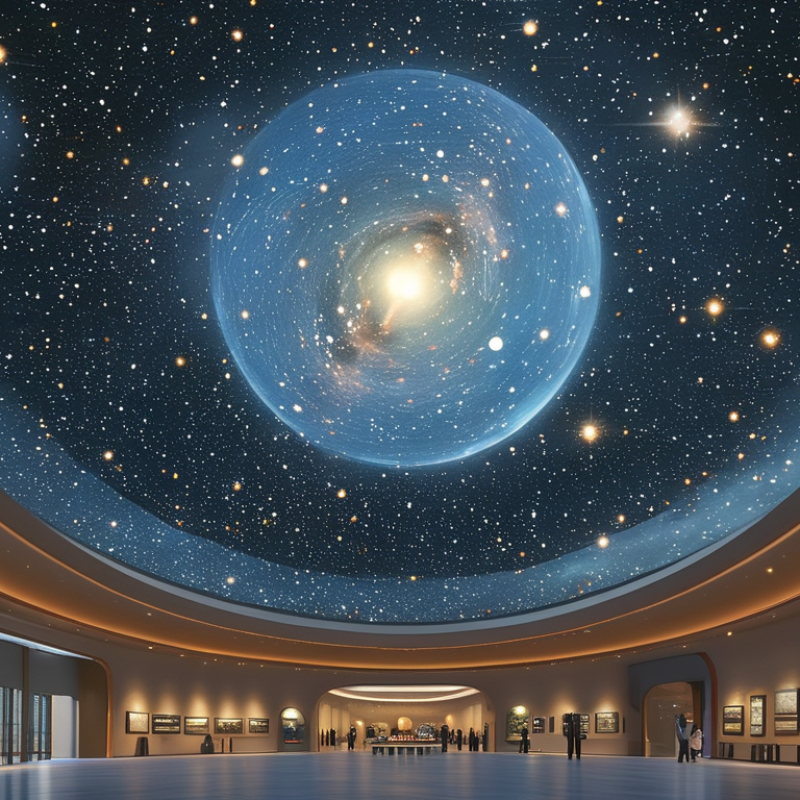
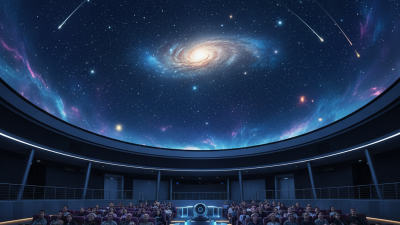
When considering modern planetarium domes, several essential technical specifications stand out. The structure's size and shape directly affect the viewing experience. A larger dome can provide more extensive visual coverage, ideal for immersive shows. However, an oversized dome may also pose challenges in installation and maintenance.

The projection system is critical too. High-resolution projectors enhance clarity and detail. Often, more than one projector is required for seamless images. The alignment of these projectors can be complex, requiring skilled technicians. Sound quality must not be overlooked. A well-designed audio system can amplify the immersive experience, but it also demands proper calibration.

Material choice is another key factor. Domes made from high-quality materials resist wear and tear. They should also offer good acoustic properties. Despite this, even the best materials can fade over time. Regular maintenance becomes necessary to ensure long-lasting performance. Balancing these specifications leads to a successful planetarium setup, but it also raises questions about cost and investment.

Innovative Features Enhancing User Experience in Planetarium Displays

The planetarium sector has seen significant advancements, especially in enhancing user experience. Key features are transforming digital displays into immersive environments. According to a 2022 report by the International Planetarium Society, 78% of visitors prefer interactive features. This shift emphasizes the demand for engaging displays.

One innovative feature is 360-degree visuals. They create a fully enveloping experience, captivating the audience. This design allows viewers to feel as if they're traveling through space. Touch-sensitive interfaces also offer interactivity, inviting users to explore content directly. As per industry studies, user engagement rises by 25% with touch capabilities.

Tips: Ensure your planetarium includes intuitive navigation systems. Visitors often express frustration with complex layouts. Also, consider incorporating adaptable content. Providing materials in different languages can enhance accessibility. Keeping your features user-friendly will ultimately boost satisfaction and retention rates.

Top 10 Planetarium Dome Features for Global Buyers

Feature Description User Benefits Market Trends
360-Degree Immersive Display Full immersion with a 360-degree view, enabling a complete exploration of celestial scenes. Enhanced viewer engagement and educational depth. Growing demand for immersive educational tools in astronomy.
High-Resolution Projection Utilizes advanced projectors to deliver stunningly clear and detailed visuals. Improved clarity allows for better visualization of astronomical objects. Increase in technology investments for high-definition content.
Interactive Touch Screens Allows users to interact with content, enhancing learning through touch. Interactive learning experiences that engage audiences of all ages. Trend towards interactive education across various platforms.
Real-Time Simulation Provides live simulations of astronomical events based on current data. Keeps presentations relevant and up-to-date with real-world events. Rising interest in real-time data integrations for educational content.
3D Audio Integration Utilizes surround sound technology to create an immersive audio experience. Enhances realism and emotional engagement during presentations. Growing focus on audio-visual synchronization in educational tools.
Flexible Dome Configurations Allows for various dome shapes and sizes to fit different venue needs. Flexibility in installation can lead to broader usage scenarios. Increasing customization in installation scenarios to attract more venues.
Cloud Connectivity Enables streaming content from online resources directly to the dome. Access to a vast library of educational material from anywhere. Shift toward cloud solutions for scalability and content accessibility.
Environmental Control Maintains optimal conditions for projection and audience comfort. Improved audience experience through comfort during sessions. Heightened awareness of user comfort in educational environments.
Educational Content Partnerships Collaborations with educational institutions to curate content. Access to exclusive content and educational resources. Focus on partnerships to enhance educational value offered to users.
Content Customization Options Allows users to personalize the content based on audience needs. Offers tailored experiences that resonate with specific demographics. Personalization trends are becoming a key aspect of user engagement.

Best Practices for Sourcing Planetarium Dome Materials Globally

Sourcing planetarium dome materials requires careful consideration of quality and innovation. According to a recent industry report, the demand for immersive experiences in planetariums has increased by 52% since 2018. This growth highlights the need for durable and technologically advanced materials.

When selecting materials, prioritize options that provide excellent acoustic properties. Innovations in soundproofing can enhance the overall experience in a dome setting. Look for materials that weigh less but maintain strength. Dual-layered fabrics are gaining popularity for their ability to reduce light infiltration, creating an optimal viewing environment.

Tip: Always request samples. Testing materials under real conditions can reveal performance limitations that may not be apparent in a catalog.

Furthermore, maintain communication with suppliers. Understanding the sourcing process can uncover potential issues, like shipping delays or material quality discrepancies. Research suggests that 30% of sourcing professionals have faced quality challenges due to inadequate supplier checks. Regular audits of suppliers can prevent costly mistakes and ensure compliance with industry standards.

Tip: Develop a checklist. Confirm specifications and quality standards before making bulk purchases. This helps in maintaining consistency and reliability.

Trends Shaping the Future of Planetarium Dome Technology

The planetarium dome industry is witnessing significant advancements shaped by emerging trends. Research indicates that immersive experiences are becoming central. According to a recent study by the International Planetarium Society, 75% of new domes incorporate 360-degree projection technology. This trend enhances educational experiences for visitors of all ages, making learning more engaging.

Another noteworthy direction is the integration of augmented reality (AR) and virtual reality (VR) into dome settings. Data shows that around 50% of new planetarium installations aim to blend traditional shows with AR elements. By doing so, theaters create interactive environments that captivate audiences. However, balancing technology with content remains a challenge. Many planetaria must ensure that the narrative does not get overshadowed by flashy visuals.

Sustainability also plays a critical role in shaping future developments. The latest reports reveal that a growing number of facilities are adopting energy-efficient projection systems. Currently, about 30% of new dome installations are focused on environmentally friendly technologies. Yet, the industry faces scrutiny regarding the cost-effectiveness of such investments. Balancing high-tech upgrades with budget constraints continues to be a major concern for many organizations.