Inquiry
Form loading...

Top 10 Benefits of Using a Wide Angle Lens for Photography?

A Wide Angle Lens opens up a world of opportunities for photographers. Its ability to capture expansive scenes makes it a favorite among landscape and architectural photographers. This lens allows you to include more elements in your frame. You can convey depth and perspective that standard lenses cannot achieve.

Photography is not without its challenges. Using a Wide Angle Lens can create distortion, especially at the edges. This can lead to unique effects but may not always suit everyone’s vision. However, learning to control these distortions can enhance your creative skills. Embracing the wide format allows for dynamic compositions that tell a story.

The versatility of a Wide Angle Lens attracts both amateurs and professionals. It empowers users to explore different perspectives. With practice, you'll discover how to make the most of its features. Understanding the nuances of this lens can significantly impact your photography journey. Engaging with a Wide Angle Lens is a creative challenge worth undertaking.
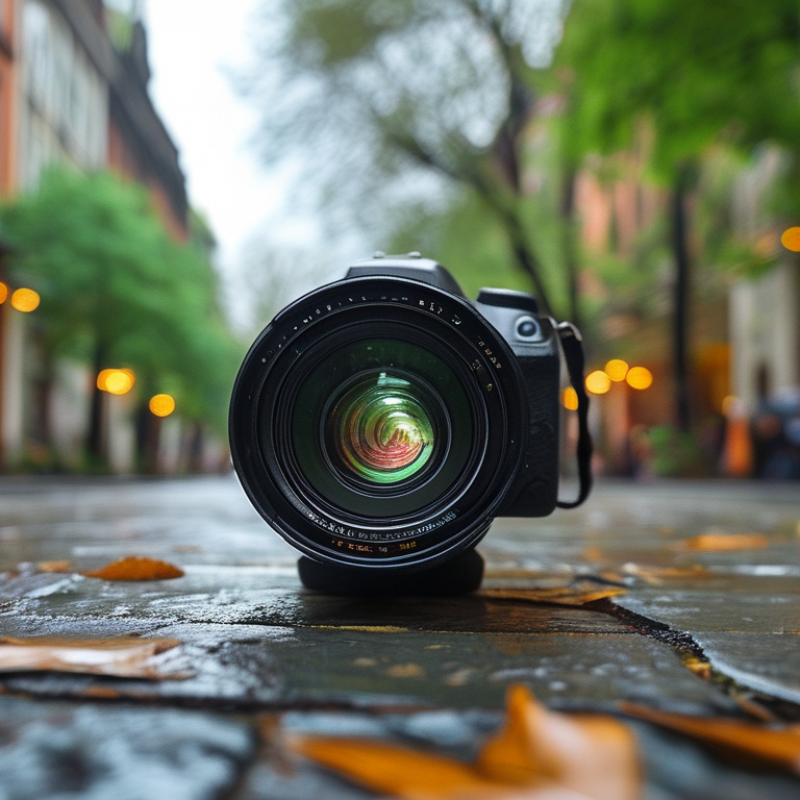
Top 10 Benefits of Using a Wide Angle Lens for Photography?

Benefits of Wide Angle Lenses: Expanding Your Creative Horizons

Wide angle lenses are vital for expanding your creative horizons in photography. They allow you to capture more of a scene in a single frame. This is especially useful in landscapes or architecture. The ability to include more elements adds depth to your images. You can convey a sense of space and grandeur, making your work stand out.

Moreover, wide angle lenses encourage unique perspectives. They distort features, resulting in intriguing compositions that challenge traditional viewpoints. However, this distortion can be tricky. It may lead to unintended results that require careful framing. Reflections and lines can bend awkwardly. Be mindful of how these effects can impact your message.

Using a wide angle lens also allows for dynamic storytelling. You can include foreground elements that draw the viewer in. This technique creates layers and guides the eye throughout the image. Yet, it’s essential to balance foreground and background. Overloading the frame can confuse the viewer. Understanding these nuances will elevate your photography skills. When mistakes happen, learn from them and adjust your approach for future shoots.

Top 10 Benefits of Using a Wide Angle Lens for Photography

Benefit Description
Enhanced Perspective Wide angle lenses allow for a greater field of view, creating a sense of depth and perspective that can enhance landscape photography.
Increased Depth of Field They help achieve a greater depth of field, allowing more of the scene to be in focus, which is ideal for capturing wide landscapes.
Creativity in Composition Allows for unique compositions, emphasizing foreground elements while keeping the background visible.
Versatile Shooting Angles Enables capturing from unconventional angles, providing fresh perspectives on familiar subjects.
Strong Subject Isolation The unique distortion can create emphasis on a subject, making it appear more dynamic within the frame.
Capturing Larger Scenes Ideal for architecture and interiors, allowing the entire structure to fit within the frame.
Great for Low Light Situations Wide apertures of many wide angle lenses capture more light, making them effective in dimly lit environments.
Improved Travel Photography Allows travelers to document the entirety of a scene, especially when space is limited.
Unique Distortion Effects Provides creative opportunities through lens distortion that can add artistic flare to images.
Easy to Capture Group Photos Perfect for group shots, enabling the inclusion of more people in a limited space.

Capturing Sweeping Landscapes: The Power of a Wider Field of View

Wide angle lenses are essential for capturing sweeping landscapes. Their design allows for a broader field of view, making them ideal for vast scenery. According to a study by the American Society of Landscape Architects, approximately 70% of landscape photographers prefer wide angle lenses for their ability to include more of the scene. This lens style can create impressive depth, drawing viewers into the photograph.

When using a wide angle lens, it's important to consider composition. Placing elements effectively within the frame can enhance the photo's impact. However, many photographers struggle with distortion. This occurs when straight lines, especially near the edge of the frame, bend. It can be frustrating, but with practice, one can learn to minimize this effect.

Wide angles are not only for vast landscapes. They can also work wonders in tight spaces, allowing photographers to create a sense of openness. The trick lies in experimentation. Every shot presents a new challenge and a chance to learn. For instance, shooting too close can lead to unflattering perspectives. Reflecting on past images can help refine techniques and improve future work.

Top 10 Benefits of Using a Wide Angle Lens for Photography

This chart illustrates the top benefits of using a wide-angle lens in photography, showcasing how each benefit contributes to enhancing the overall photographic experience. The scores reflect the perceived impact of each benefit based on user feedback and photography experts.

Enhancing Depth and Perspective in Photography with Wide Angle Lenses

Wide angle lenses offer unique advantages in photography. They enhance depth and perspective in striking ways. When capturing landscapes, these lenses draw the viewer's eye to the foreground. They create a sense of vastness that standard lenses cannot achieve. This characteristic allows photographers to produce images with more context and visual interest.

Using a wide angle lens can also challenge a photographer's creative instincts. It requires careful composition to prevent distortion. Lines that should be straight may appear warped. This can lead to unexpected, sometimes awkward results, pushing the photographer to reconsider their framing. Embracing the imperfections of a wide angle can lead to more unique photos.

The ability to include more in the frame is profound. It opens opportunities for storytelling within a single image. A well-composed shot can show a scene's relationship to its surroundings. However, overusing wide angles can make images chaotic. Balancing detail and context is essential. A thoughtful approach can yield stronger photographic narratives.

Versatility for Indoor Photography: Maximizing Limited Space Utilization

Indoor photography can often feel limiting, particularly in small spaces. A wide angle lens provides a solution to this challenge. It allows photographers to capture vast scenes and broader compositions, transforming cramped interiors into expansive images. Such versatility is invaluable, especially in settings like homes or small cafes where capturing the atmosphere is essential.

When using a wide angle lens in tight spaces, it's important to pay attention to composition. Distortion can occur, especially at the edges of images. This can lead to the objects appearing warped. Being mindful of angles and positioning can help mitigate this effect. Experimenting with various focal lengths is key. Some might find that slight adjustments can yield stunning results, while others may struggle with perspectives.

Additionally, lighting can drastically change the outcome of wide angle shots. Insufficient lighting may create dull images, lacking the vibrancy that a well-lit scene offers. Utilizing natural light effectively becomes crucial. Reflectors or additional light sources can enhance the overall quality. Every shot becomes a learning experience, revealing both the lens's capabilities and its potential drawbacks. Each capture is an opportunity for growth as a photographer.

Improving Composition Techniques: Leading Lines and Dynamic Angles

Wide angle lenses can transform your photography, especially when exploring composition techniques like leading lines and dynamic angles. These lenses allow for a broader view, giving your images depth and perspective. Leading lines can naturally draw the viewer’s eye through the frame, creating a compelling journey within your photograph. Whether you’re capturing a winding road or a riverbank, these lines guide attention.

To effectively use leading lines, look for elements in your environment that can frame your subject. Roads, fences, or even shadows can serve as powerful leading lines. Experiment with different angles to see how they change the composition. Sometimes a slight shift in position leads to significant changes in the overall image.

Dynamic angles can add excitement to your shots. Shoot from low or high viewpoints to add drama. Wide angle lenses exaggerate perspective, emphasizing the foreground while minimizing the background. Be aware, though, that such distortion can be tricky. Corners may bend, and subjects can appear stretched. It’s essential to find a balance. Reflection and practice here will enhance your skill. Don't forget to consider what’s in the frame to avoid distractions.