Discover the Best Star Observatories in China for Your Next Visit?
Exploring the cosmos is a journey full of wonder. In China, numerous Star Observatories offer unique experiences for stargazers. These observatories are not just scientific hubs; they also serve as gateways to the universe's beauty. Each location provides a chance to connect with celestial wonders.
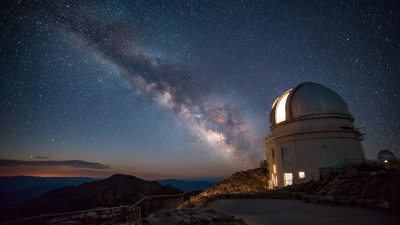
Visitors can admire breathtaking views of planets, stars, and galaxies. Some observatories feature powerful telescopes that reveal details invisible to the naked eye. Others are nestled in remote areas, far from city lights, ensuring a crystal-clear night sky. While each site has its charm, the experience can differ greatly. Some observatories may lack adequate facilities or knowledgeable staff.
Whether you're an amateur astronomer or a curious traveler, China's Star Observatories have something for everyone. Making an informed choice is crucial for a fulfilling visit.Engage with the sights, sounds, and peace of the night sky. Discover what these scientific marvels can offer and reflect on your personal journey among the stars.

Top Star Observatories in China: An Overview
When exploring the cosmos, China offers remarkable star observatories. These sites provide insights into astronomy and stunning night skies. They are ideal for stargazers and researchers alike. Each observatory has unique offerings, with modern telescopes and rich history.
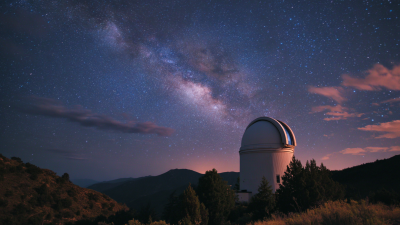
One notable site is the Xinjiang Astronomical Observatory. It is located in a remote area, enhancing its visibility for celestial observation. Visitors often note the impressive dome and its powerful instruments. The observatory organizes night tours. These tours can vary in quality and organization, so feedback is essential for improvement.
Another gem is the Yunnan Astronomical Observatory. Situated in lush surroundings, it hosts public lectures and interactive exhibits. Attendees sometimes feel overwhelmed by the amount of information. However, this can lead to deeper engagement. The observatory’s efforts to educate the public are commendable, even if there’s room for refinement.
Overall, these observatories serve as gateways to the universe. They connect people with the stars, encouraging a sense of wonder. Each visit can be a mix of awe and contemplation, making them truly special places to explore.
Key Features to Look for in a Star Observatory
When choosing a star observatory in China, several key features stand out. First, consider the location. Observatories situated in rural areas, away from city lights, provide darker skies. According to data from the International Dark-Sky Association, light pollution can diminish visibility by over 90%. Remote locations allow for clearer views of celestial bodies.
Accessibility is another crucial aspect. Some observatories offer guided tours and educational programs. This enhances the visitor experience and provides valuable insights into astronomy. Reports show that interactive experiences increase visitor engagement by 60%. Look for observatories that prioritize education; hands-on learning can spark a lifelong interest in astronomy.
Equipment quality is undeniably important. Modern telescopes and high-resolution cameras can reveal stunning details of planets and galaxies. Research indicates that observatories with upgraded technology attract more visitors. Additionally, consider the availability of knowledgeable staff. Experts can offer valuable interpretations that enrich your understanding. However, not all observatories may have well-trained personnel available. This inconsistency can affect the quality of your visit. Prioritize those that boast dedicated educators who can answer questions and deepen your appreciation for the cosmos.
Star Observatories in China: Key Features Comparison
Best Times to Visit Chinese Star Observatories
When planning a visit to star observatories in China, timing is everything. The best times to observe the night sky vary by region and season. For instance, the spring and autumn months often offer clearer skies, making them ideal for stargazing. In many areas, June through August brings heavy humidity and cloud cover, hampering visibility. Therefore, travelers should check local weather forecasts before scheduling their trips.
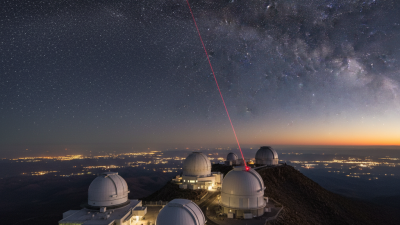
Another factor to consider is moon phase. A new moon phase provides a darker sky, enhancing the visibility of stars and celestial events. Observatories like those in Xinjiang or Tibet are perfect for viewing meteor showers; they tend to have low light pollution and high altitude. However, reaching these remote locations often requires careful planning and a flexible itinerary.
Be aware that busy tourist seasons can lead to crowded observatories. This might diminish the overall experience, making it harder to find the perfect viewing spot. Take the time to research less popular observatories that can offer quieter, intimate settings. While planning your visits, don’t forget to check for any special celestial events happening during your stay; these can create unforgettable memories.
Notable Stargazing Events and Activities in China
China's night sky offers breathtaking views and thrilling stargazing events. One notable occasion is the annual Perseid meteor shower. Observers can witness dozens of meteors per hour during this event. It usually peaks in mid-August, making it an ideal time for adventurous stargazers. Many local observatories host special activities, including guided tours and educational talks.
Another captivating event is the solar eclipse. China experiences partial or total eclipses on a rare basis, drawing many enthusiasts. During these days, observatories often set up equipment to provide safe viewing options. Some destinations even organize camps where people can soak in the celestial display. It’s a thrilling experience, but it can be crowded and chaotic at popular sites.
Wildlife and weather can impact stargazing plans. The skies may be obscured by clouds or pollution in urban areas, so one must plan carefully. Ideally, escaping to remote locations could enhance the experience. However, this may require thoughtful preparation, as amenities can be limited. Balancing the joy of discovery with the potential for disappointment is vital for any aspiring stargazer in China.
Travel Tips for Visiting Observatories in China
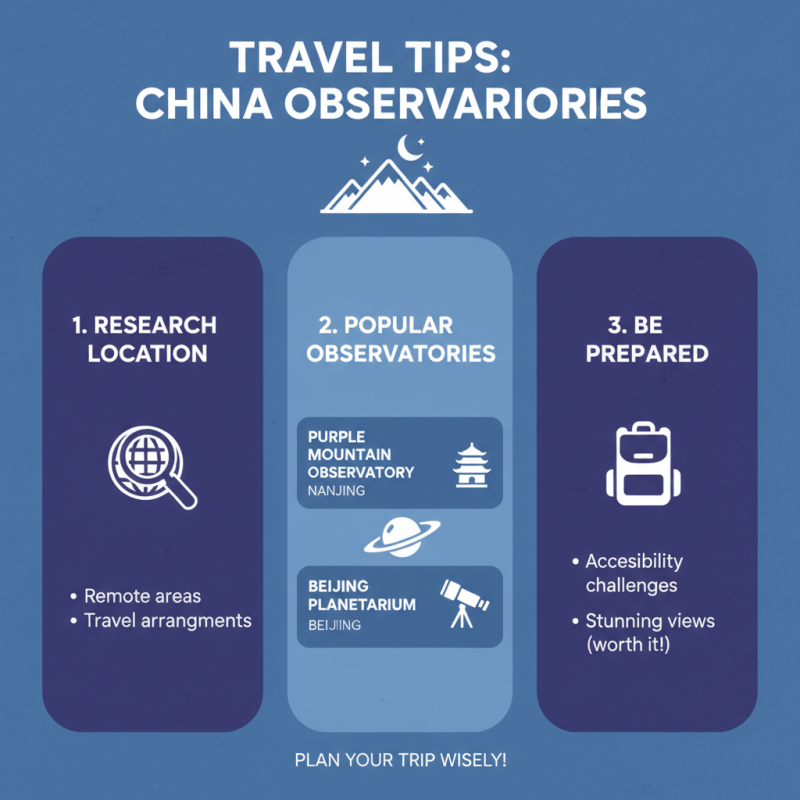
When visiting the best star observatories in China, preparation is essential. Consider the location of each observatory. Some are in remote areas, making travel arrangements crucial. Popular options include the Purple Mountain Observatory in Nanjing and the Beijing Planetarium. These spots offer stunning views, but accessibility can be challenging.
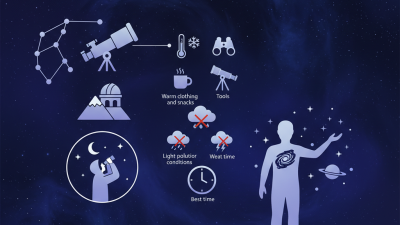
Dress appropriately for the climate. Nights can be cold, even in summer. Bring warm clothing and a blanket for comfort. A good pair of binoculars can enhance your experience, allowing you to see celestial wonders up close. Photography is popular, but remember, bright lights interfere with your vision. Respect site rules about flashlight use to not disturb other stargazers.
Timing is key for visibility. The best stargazing months are from April to October. Check lunar schedules to avoid bright moonlight. This can ruin your night. Be aware that sometimes weather can change plans unexpectedly. Always have a backup activity in mind. Engaging with fellow stargazers can enrich your experience and provide new tips.