Exploring Telescope Dome Structure for Optimal Performance?
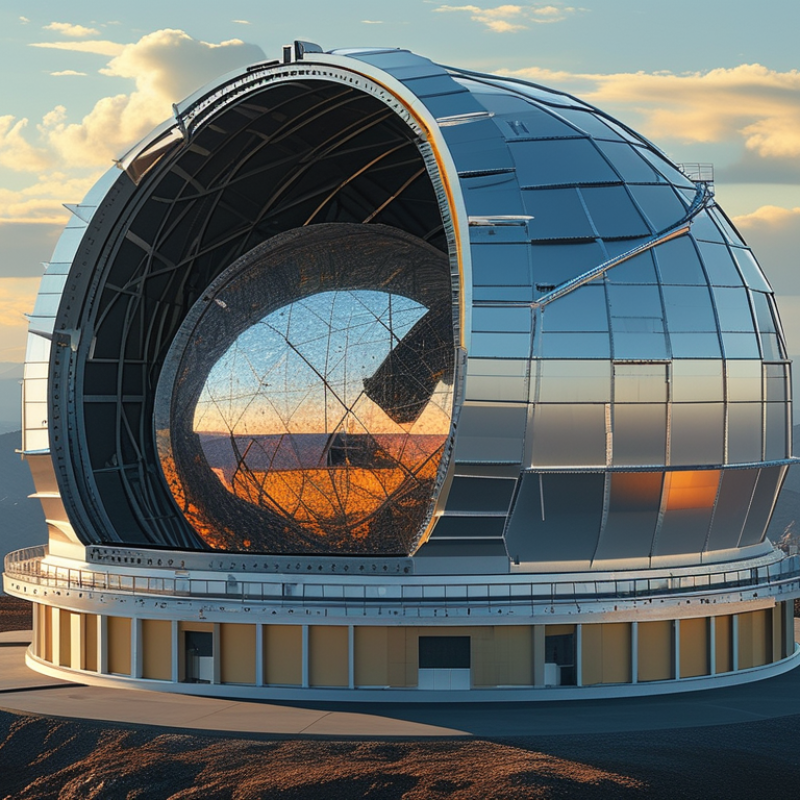
The Telescope Dome Structure is crucial for optimal performance in astronomical observations. A well-designed dome enhances the efficiency of telescopes, minimizing environmental interference. The materials, shape, and size all play pivotal roles in achieving this goal.
Innovations in dome design can lead to significant improvements in image quality and data accuracy. However, many existing structures face shortcomings, such as inadequate ventilation and poor thermal regulation. These flaws can hinder telescope functionality, leading to less reliable results over time.
Addressing these issues requires a collaboration of expert knowledge and practical experience. By exploring various designs, we can identify the best practices for future telescope dome constructions. The aim is to ensure that astronomers have access to the best possible observational conditions.
Telescope Dome Architecture: Key Considerations for Design
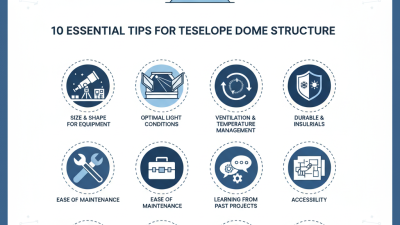
Designing a telescope dome involves several key considerations to ensure optimal performance. One major aspect is climate control. Heating and cooling systems must regulate temperatures inside the dome. Temperature fluctuations can distort observations. Effective insulation and ventilation help maintain a stable environment.
Material selection is crucial. Lightweight yet durable materials can lessen the dome's impact on the telescope's operation. However, the trade-off between weight and durability needs careful reflection. Ventilation openings should be strategically placed for effective airflow while minimizing obstruction to the telescope’s view.
Tips for effective dome design:
Consider using reflective coatings on the dome's exterior to reduce heat absorption. Regular maintenance of the dome is essential to prevent structural issues over time. Additionally, assess the effects of local weather patterns on the dome’s design.
The relationship between the dome and the telescope is intricate. Poorly designed domes can lead to suboptimal observations. Reflect on the potential challenges and seek expert advice when necessary. Each design step should be well thought out for the best visual results.
Impact of Dome Materials on Telescope Performance and Durability
The choice of materials for telescope dome structures holds significant implications for observational clarity and equipment longevity. Research indicates that dome performance can vary dramatically based on material properties. For example, acrylic and polycarbonate offer excellent light transmission but may have lower thermal resistance compared to metals. A study from the American Institute of Physics highlights that aluminum domes can better withstand extreme weather, impacting the overall durability and lifespan of the telescope.
Thermal performance is another critical factor. A report from the International Astronomical Union states that materials with high thermal mass can stabilize temperatures within the dome. This stability reduces thermal turbulence, allowing telescopes to achieve clearer images. However, heavier materials can complicate the structure’s mobility and installation. These trade-offs require careful consideration.
Furthermore, protective coatings can enhance material longevity but may introduce reflective surfaces that interfere with observations. Striking the right balance between protection and performance remains a challenge for many observatories. Engineers must continue to innovate and refine dome designs, ensuring that materials not only protect equipment but also enhance performance in varying environmental conditions. Each decision carries a weight of responsibility, influencing both immediate usability and long-term resilience.
Impact of Dome Materials on Telescope Performance and Durability
Ventilation and Climate Control in Telescope Dome Structures
In telescope dome structures, proper ventilation and climate control are crucial for optimal performance. Excess heat and humidity can distort observations. According to the International Society for Optics and Photonics, maintaining a stable internal dome temperature is essential. They suggest an ideal range of 10-15°C above ambient conditions. Sudden temperature fluctuations can affect telescope calibration and imaging quality.
Natural ventilation plays a vital role in regulating dome climate. Passive systems, like vent openings and louvered designs, can significantly improve airflow. Research shows that strategic airflow can reduce energy consumption by up to 40%. However, these systems are not foolproof. During low wind conditions, stagnation can lead to heat buildup. Compounding this, external environmental changes can introduce dust, which affects optics.
Mechanical ventilation systems provide more control but demand careful design. High-powered fans can create air turbulence, potentially disrupting observational stability. There’s a delicate balance to strike. Overly aggressive airflow can shift the temperature too quickly, impacting equipment. Ongoing assessments of dome performance reveal that many facilities still grapple with these issues. Addressing ventilation needs must remain a priority for research in telescope operations.
Acoustic Isolation: Reducing Noise for Optimal Observations
Acoustic isolation plays a crucial role in enhancing astronomical observations. Noise can significantly affect the clarity of data collected by telescopes. According to a study by the American Institute of Physics, noise levels exceeding 40 dB can obscure faint celestial signals. Therefore, the design of telescope domes must consider soundproofing materials and structures that minimize disturbances.
Implementing effective sound insulation techniques can drastically improve observation quality. Thick walls and sound-absorbing panels are two essential elements. A report from the International Astronomical Union suggests that reducing external noise by at least 20 dB can lead to clearer celestial imaging. Also, vibration isolation systems can be beneficial. These systems help in dampening vibrations that could disturb sensitive equipment.
Tips: Utilize heavy, dense materials for dome construction. Sound-absorbing foams can also be strategically implemented. Regular maintenance of the dome’s integrity is critical to ensure ongoing acoustical performance. Continue assessing external noise levels to make necessary adjustments.
Innovative Technologies in Telescope Dome Construction and Maintenance
Innovative technologies are transforming telescope dome construction and maintenance. Modern designs prioritize materials that resist weathering and enhance durability. For instance, using lightweight composites improves structural integrity while minimizing weight. This approach allows for larger and more complex telescope setups, maximizing observational capabilities.
Regular maintenance is critical in extending the lifespan of telescope domes. Utilizing automated monitoring systems can identify issues early. However, these systems require skilled personnel for proper management. Training is vital to ensure the effectiveness of technology. Over-reliance on automation may overlook essential manual checks.
Environmental factors also play a significant role in dome performance. Design adaptations are necessary for diverse climates. Wind resistance and insulation improvements can affect telescope operations. Balancing aesthetic design with functional necessities remains a challenge. Continuous innovation and feedback loops are essential in enhancing dome structures. This will ensure they meet the evolving needs of astronomical observations.