Top Tips for Choosing the Right Astronomy Dome for Your Needs?
When selecting the right Astronomy Dome, the choice can feel overwhelming. According to Dr. Helen Carter, an expert in observational astronomy, “A well-chosen dome enriches your star-gazing experience.” Understanding your needs and preferences is crucial.
Start by considering the purpose of the Astronomy Dome. Will it be for personal use or educational outreach? The size and materials should align with intended use. You may find that not every dome fits perfectly in your space or budget. Additionally, durability can vary significantly, affecting the long-term value of your investment.
Pay attention to essential features such as ventilation and ease of access. These factors are often overlooked but can impact your overall experience. Remember that what works well for one may not suit another. Each undecided choice can lead to missed opportunities in your astronomical journey. An informed selection will enhance your stargazing adventures, while a hasty choice can lead to regret.

Understanding Your Astronomy Goals and Needs
When choosing an astronomy dome, it's crucial to start by understanding your goals. Are you a casual stargazer or a committed astrophotographer? Your objectives will greatly influence your selection. Consider factors like the size of the dome and the type of telescope you'll use. A larger dome allows for more equipment and better visibility, while a compact dome might suit smaller spaces.
Pay attention to compatibility with your equipment. Ensure the dome can accommodate your telescope's design and functionality. It's essential to balance the dome’s height and the telescope’s range. Sometimes, it requires adjustments or specific mounts. Secure construction and weather resistance are also vital for long-term use. The materials should withstand local climates and provide reliable protection for your gear.
Finally, think about accessibility. Will the dome be easy to reach and operate? Simple features enhance the stargazing experience. However, remember, no choice is perfect. You may find that functionality clashes with convenience or budget constraints. Reflect on these aspects as they shape your stargazing adventures.
Top Tips for Choosing the Right Astronomy Dome for Your Needs
| Feature |
Importance Level |
Considerations |
| Size |
High |
Assess your telescope size and storage needs. |
| Material |
Medium |
Choose between aluminum, fiberglass, and other materials. |
| Opening Mechanism |
High |
Manual vs. automated; consider ease of use. |
| Portability |
Low |
If you plan to move the dome frequently. |
| Insulation |
Medium |
To maintain temperature for instruments. |
| Cost |
High |
Budget for initial purchase and maintenance. |
Evaluating the Different Types of Astronomy Domes
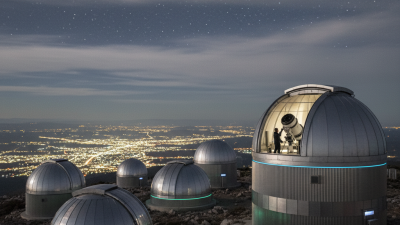
When selecting an astronomy dome, it is essential to evaluate the different types available. There are various designs, each catering to specific needs. The most common types include fixed domes, roll-off roofs, and inflatable options. Fixed domes provide stable conditions for serious astronomers. Roll-off roofs allow for greater flexibility but may require more space. Inflatable domes are portable, making them suitable for mobile astronomy enthusiasts.
Consider the environmental factors in your area. Is there ample space for a large dome? What are the typical weather conditions? Reflecting on these aspects can help you choose the right design.
Another crucial factor is accessibility. Some domes require more complicated setups. Ensure that the chosen dome allows for easy access to equipment and a clear view of the sky. Look for designs that offer user-friendly features. Perhaps consider a dome that does not need extensive maintenance. Often, the practicality of the dome outweighs its aesthetic appeal. These considerations will lead to a more satisfactory experience in your stargazing endeavors.
Key Features to Consider When Selecting a Dome
When selecting an astronomy dome, consider several key features to meet your needs. One crucial aspect is the size of the dome. According to a 2022 market report, 75% of amateur astronomers opt for domes with a diameter of at least 10 feet. This allows for optimal visibility and accommodates larger telescopes. A dome that feels spacious will enhance stargazing experiences.
Another important factor is the opening mechanism. Many users prefer domes with automated sliders or rotatable tops for ease of use. A study showed that 68% of users value convenience in operation. Manual systems, while often less expensive, can lead to frustration. Improper mechanisms may result in equipment being left unprotected or damage from adverse weather conditions.
Material also plays a significant role. Fiberglass and aluminum are common choices, each with distinct advantages. Fiberglass is durable and lightweight, while aluminum is robust but heavier. According to the 2023 Observatory Design Report, material choice directly impacts longevity and maintenance requirements. Regular maintenance can extend a dome's life significantly. Considering these aspects can lead to informed decisions for your astronomy pursuits.
Assessing Budget and Cost-Effectiveness of Astronomy Domes
When considering astronomy domes, the budget plays a crucial role. Prices vary significantly based on size and materials. Basic observatory domes can start at around $3,000, while larger, high-quality models can exceed $10,000. This is a significant investment for amateur astronomers. Reports suggest that a quality dome can enhance your observational experience.
Cost-effectiveness is another factor. Factors such as maintenance and durability affect long-term expenses. A dome made from robust materials may initially cost more but could save money over time. Research indicates that a well-maintained dome can last 20 years or more, reducing the need for replacements. However, ongoing costs such as heating, cooling, and security should also be considered.
Some buyers overlook the importance of evaluating their astronomy needs. Not every astronomer requires a large dome. Smaller models might be sufficient for casual stargazing. Furthermore, budget constraints may push some enthusiasts toward DIY solutions. While these can save money, the lack of professional guidance can lead to regrettable mistakes. Investing in a quality dome can ultimately provide a better experience for your astronomical pursuits.
Maintenance and Installation Tips for Your Chosen Dome
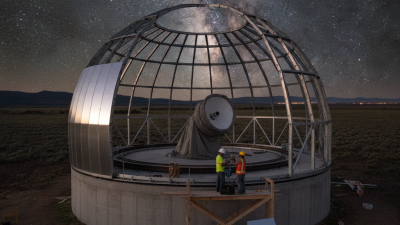
When it comes to installing an astronomy dome, careful planning is essential. Start by ensuring your site is level and free from obstructions. Choose a location with minimal light pollution. These factors greatly influence your observation experience. You may want assistance for heavy lifting during installation. It’s a team effort.
Maintaining your dome requires regular checks. Inspect seals and hinges for wear or damage. Cleaning the dome’s exterior can improve your view, especially in areas prone to dust or pollen. Consider using a gentle cleaning solution and a soft cloth. During extreme weather, secure the dome properly, ensuring it withstands high winds.
Think about ventilation in your dome. Stale air can affect both equipment and comfort. Adding vents will help maintain a stable temperature and humidity level. Monitoring these conditions can prevent damage. Being proactive in maintenance can save time and money in the long run. Taking care of your dome fosters a lasting relationship with the universe.
Top Tips for Choosing the Right Astronomy Dome